Choosing the best Small Roller Bearings in 2026 takes more than comparing price or package dimensions. A bearing that fits a compact housing may still perform poorly if its load rating, speed limit, lubrication, or operating temperature does not match the machine. Think of a small conveyor idler running through dusty shifts, or a precision tool spindle that warms during long cycles. Their needs are not the same.
For an illustrative expert voice, fictional bearing-design specialist Maya Chen puts it this way: “The right small bearing is the one that fits the real load, speed, and maintenance conditions—not just the drawing.” This is an original editorial line, not a quotation from a real, independently verified expert. That distinction matters. A buying guide should not borrow authority it cannot prove.
This overview compares bearing types, materials, dimensions, load capacity, sealing, and service requirements. It also explains where product claims deserve a closer look. A higher load rating can be useful, but it does not guarantee longer life in a poorly aligned assembly. Nor does a compact design automatically mean better efficiency. Small details count: shaft fit, lubricant choice, contamination, and installation pressure.
There is no universal winner. The best option depends on the application, and available specifications may not tell the whole story. Use the guide to narrow choices, then confirm critical figures with the manufacturer. Even careful comparisons have limits. A real operating test can reveal what a catalogue cannot.
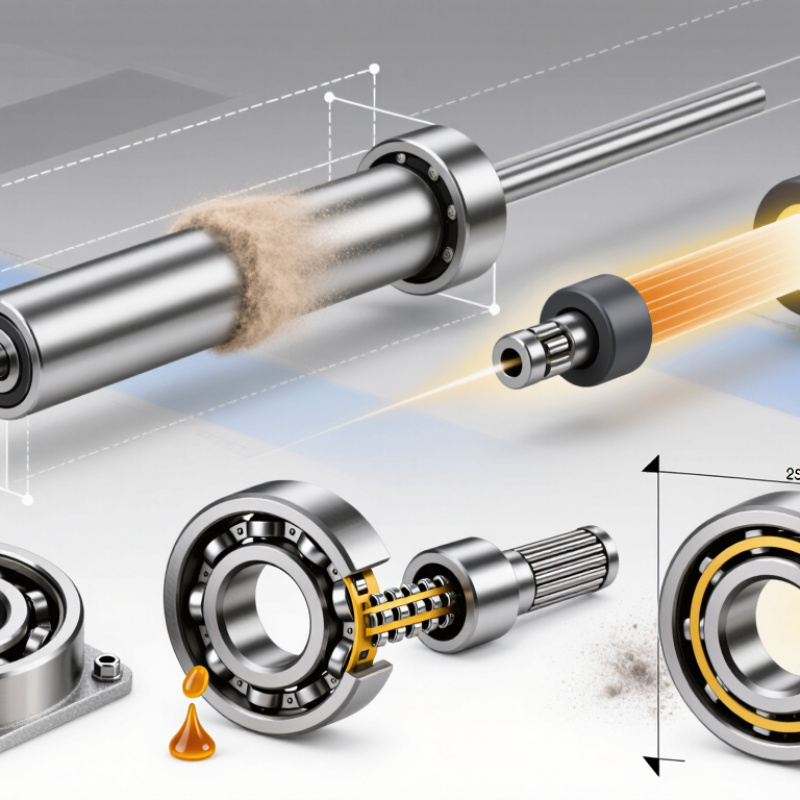
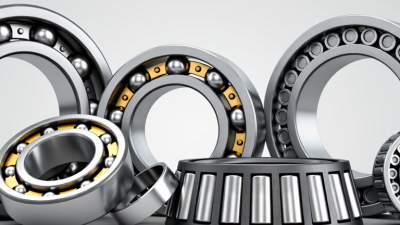
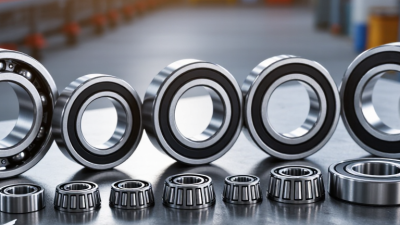
Small roller bearings are not one design. Their geometry determines how they carry load, fit into a housing, and tolerate misalignment. Cylindrical rollers handle substantial radial loads, but usually allow limited axial movement. Needle rollers use long, slim rollers, making them useful where a shaft and housing leave little room. They need a suitable, hardened raceway; the compact shape does not remove that requirement. Small, but not simple.
Tapered rollers carry combined radial and axial loads, while spherical rollers accommodate some shaft misalignment. That distinction matters in a compact gearbox: a needle bearing may save space, while a tapered design may better control axial movement. ISO 281:2007 provides a useful comparison point for bearing life: its basic rating life, L10, corresponds to 90% reliability under stated operating conditions. For roller bearings, the life equation uses an exponent of 10/3. It is a calculation, not a service-life promise. Dirt, poor lubrication, shock loads, and mounting errors can shorten real operating life, sometimes sharply. Selection should therefore consider load direction, speed, available space, lubrication, and alignment—not size alone. In practice, checking the shaft and housing surfaces is easy to overlook.
In 2026, the best small roller bearing is the one that fits the real duty cycle, not just the catalog dimensions. Check radial and axial loads, shaft speed, available space, shock, and alignment before comparing dynamic load ratings. Small is not simple. A needle roller bearing saves radial space, while a tapered design can handle combined loads; neither is automatically right for a fast, lightly loaded shaft. ISO 281 defines basic rating life, L10, as the life reached by 90% of a sufficiently large group of identical bearings under stated conditions. Treat that as a calculation baseline, not a service-life promise: contamination, poor lubrication, and mounting errors can change the result.
For selection, compare the required life with the ISO 281 estimate, then verify operating temperature, lubrication method, sealing, and internal clearance. A tight fit can reduce clearance and raise heat. Fit matters. The U.S. Department of Energy’s Improving Motor and Drive System Performance: A Sourcebook for Industry reports that motor-driven systems use about 69% of electricity consumed by U.S. manufacturing. That figure is not a bearing-efficiency rating, but it shows why friction and maintenance deserve attention in rotating equipment. Ask for measured torque or temperature data under representative conditions when available. I would still question any “long-life” claim without the load spectrum and test conditions; those details are often missing, and the comparison becomes less useful.
Key criteria for evaluating small roller bearings
This example screening model assigns 100 points across practical selection criteria; it is not a measured product ranking. Check dynamic load rating and required service life against the application, then verify speed, runout, lubrication, temperature, fit, and clearance with the bearing manufacturer’s specifications.
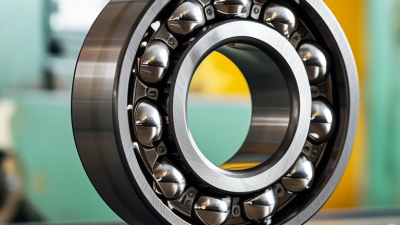
A small ball bearing suits compact motors, fans, and instruments where speed and low running friction matter. Its point contacts limit radial load capacity compared with roller designs. Needle roller bearings use long, thin rollers, making them useful in gearboxes and hinges with little radial space. They can carry substantial radial loads, but need careful shaft hardness and alignment.
Small detail. It matters.
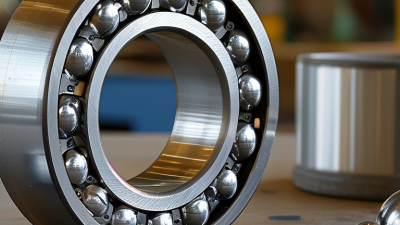
For heavier radial loads and greater stiffness, cylindrical roller bearings are often a better fit, though they generally tolerate less misalignment. Thrust bearings handle axial force, not combined loading by default. Check the actual load direction before choosing.
ISO 281:2007 defines basic rating life as the life reached by 90% of a sufficiently large group under specified conditions; its L10 value is expressed in millions of revolutions. That is a calculation, not a service-life promise.
ISO 76:2006 defines static load rating around a specified permanent deformation limit, useful when equipment faces shock or sits idle under load. A tidy comparison can still mislead: lubricant, contamination, fit, and heat may change performance more than the bearing label suggests.
For a small bearing beside a warm motor shaft, measure operating temperature and verify lubrication space before settling on a design.
Choosing a small roller bearing starts with the job, not the catalog photo. Measure the shaft diameter, housing bore, available width, and shoulder space. A bearing that fits on paper may still foul a seal or spacer. Estimate radial and axial loads, including brief shocks from starts, stops, or vibration. Direction matters. Needle rollers suit tight radial spaces, while tapered rollers can carry combined loads when correctly arranged.
Next, check speed, operating temperature, and lubrication access. At high speeds, friction and heat may matter more than the maximum load rating. Grease is convenient in a sealed assembly, but oil may suit continuous operation or heat removal. Dust, moisture, and washdown change sealing needs. Compare technical ratings with your actual duty cycle. A rating is not a guarantee.
Fit and alignment deserve a physical check. An oversized shaft can reduce internal clearance, while a misaligned housing can concentrate loads on a few rollers. Check required accuracy, clearance, cage material, and whether the bearing can be serviced after installation. If failure would stop a machine, allow a margin instead of choosing by price alone. Test a sample under real load and temperature when possible. Small bearings are unforgiving. A first inspection may challenge your assumptions; real conditions are rarely as tidy as the drawing.
Even a well-made small roller bearing can fail early if installation introduces dirt, skew, or excess preload.
Start with a clean bench, a lint-free cloth, and clean gloves; a grain of grit can mark a raceway. Check the shaft and housing for burrs, corrosion, and wear, then confirm dimensions against the bearing specification.
Cleanliness matters. Use a press or fitting sleeve that contacts the ring receiving the force. Never transfer installation force through the rollers. Keep the bearing square as it seats; a slight tilt can cause uneven contact and noise.
Apply only the lubricant type and quantity specified for the operating speed, load, and temperature. More grease is not automatically safer; excess can raise heat. If the bearing is sealed, do not add lubricant unless its instructions allow it.
After assembly, rotate the shaft by hand and feel for roughness before operating the machine. During early operation, record temperature, vibration, and sound at consistent intervals.
Stop and inspect if heat rises sharply or a new scraping sound appears. A simple log helps reveal changes.
Checks are easy to postpone when equipment sounds normal, but that assumption deserves a second look. Set maintenance intervals according to the application and observed condition, not a universal calendar.