Best Precision Ball Bearings for Global Buyers to Consider?
In the world of manufacturing and engineering, Precision Ball Bearings play a critical role in ensuring machinery operates smoothly and efficiently. These components reduce friction between moving parts, enhancing performance and longevity. According to a recent report by the Global Precision Bearing Market Analysis, the demand for precision ball bearings is projected to grow at a CAGR of 4.5% over the next decade. This underscores the importance of selecting high-quality bearings.
"Precision Ball Bearings must be chosen with care," advises Dr. Elena Thompson, a leading expert in the field. She emphasizes that the choice of bearings impacts not only operational efficiency but also maintenance costs. Precision ball bearings vary widely in quality and specification, making it crucial for global buyers to consider factors like material composition and load capacity.
While many buyers focus on price, this can lead to long-term challenges. Poor-quality bearings can cause unexpected downtime and increased maintenance needs. Thus, it is essential to balance cost with reliability. In making these decisions, buyers need to reflect on their specific requirements and the long-term implications of their choices.
Types of Precision Ball Bearings Available in the Market
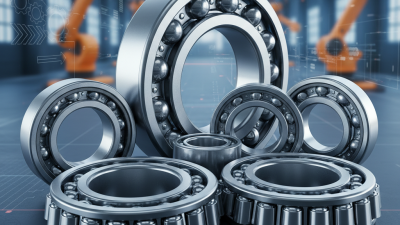
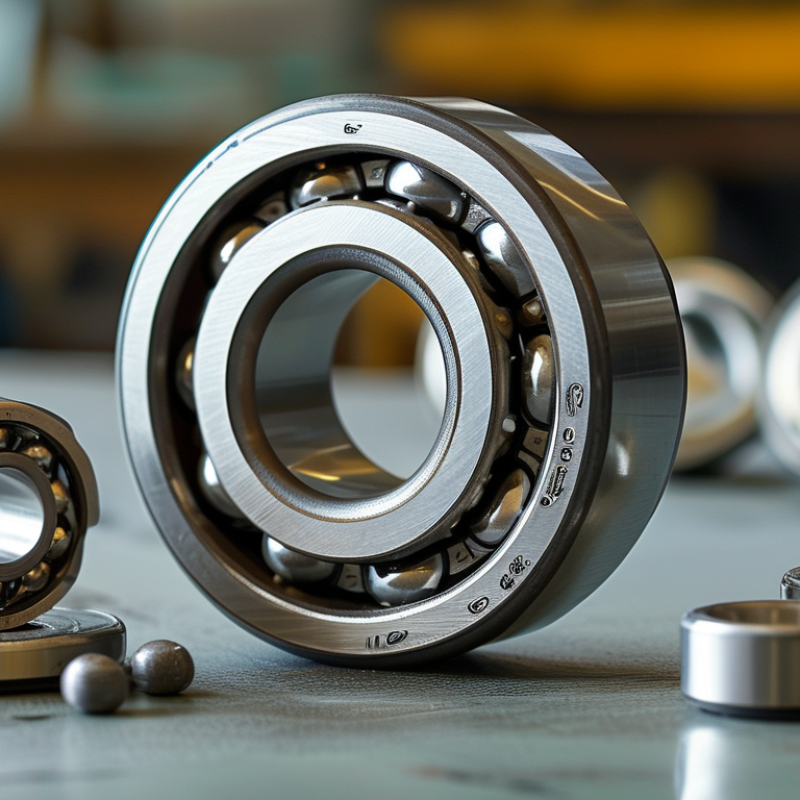
Precision ball bearings are essential in various industries. They enhance machinery performance, reduce friction, and ensure smooth operation. Understanding the different types available can help buyers make informed choices.
There are several categories of precision ball bearings.
Deep groove ball bearings are widely used due to their versatility. They can handle radial and axial loads and vary in design. Angular contact ball bearings are ideal for applications requiring high-speed and precision. They support high axial loads but can be more complex to install.
Self-aligning ball bearings are unique. They can compensate for misalignment, which is an advantage in many setups. Another option is thrust ball bearings, which are designed specifically for axial loads. However, they cannot support radial loads effectively. Each type has its strengths and weaknesses, and selecting the right one depends on specific requirements and operational conditions.
Factors to Consider When Choosing Precision Ball Bearings
When choosing precision ball bearings, several factors come into play. The material of the bearing is crucial. Common choices include stainless steel, ceramic, and chrome steel. Each material offers unique benefits and limits. For example, ceramic bearings can resist corrosion and reduce weight, while stainless steel provides durability.
Another important aspect is load capacity. Understanding the dynamic and static load ratings will help determine if a bearing can handle specific application requirements. Overloading can lead to premature failure. Don't overlook the importance of clearances and tolerances. Precision measurements ensure that bearings fit optimally within machinery.
Tips: Regularly inspect bearings for signs of wear. This helps prevent unexpected failures. Ensure proper lubrication to extend the lifespan of the bearings. Dust and contaminants can be detrimental, so consider seals or shields.
Compatibility with your application is vital. Consider operational speeds and temperatures when selecting bearings. Choosing the wrong type can lead to reliability issues. It's essential to consult with experienced professionals or references, especially when faced with unique conditions. This ensures that the chosen bearings will meet performance expectations.
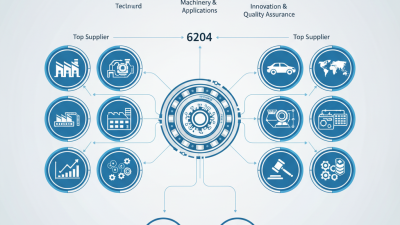
Top Brands of Precision Ball Bearings for Global Buyers
Precision ball bearings play a crucial role in various industries, ensuring smooth operation and longevity of machinery. In recent reports, the global bearings market is expected to grow significantly, driven by advancements in technology and increasing demand in automotive and aerospace sectors. The precision ball bearing segment is projected to reach a market size of over $7 billion by 2026, highlighting its importance.
Several top brands dominate the precision ball bearing landscape. These brands are recognized for their innovative engineering and quality standards. They utilize advanced materials and manufacturing techniques to enhance reliability. Some focus on customized solutions to cater to specific industry needs. However, not all brands maintain consistent quality across their product lines. Variability in performance can occur, leading buyers to conduct thorough research.
When choosing a precision ball bearing, it's essential to consider not only brand reputation but also customer reviews and performance data. Technical specifications, such as load capacity and operating temperature, should influence decisions as well. Buyers must be aware that expectations may not always align with real-world performance. Investing in high-quality bearings can mitigate risks of equipment failure, though initial costs may be higher. Balancing price and performance is critical for making informed purchasing decisions.
Applications of Precision Ball Bearings Across Various Industries
Precision ball bearings play a vital role in many industries. These bearings reduce friction, enhance performance, and increase machinery lifespan. They are found in automotive, aerospace, medical devices, and robotics. In the automotive sector, precision ball bearings ensure smooth operation of engines and gear systems. Their reliability significantly impacts vehicle performance and safety.
In aerospace, they support high-speed applications. Without them, aircraft operations would face severe inefficiencies.
In medical devices, precision ball bearings are crucial for equipment like surgical tools and imaging machines. Their ability to maintain accuracy is essential for patient safety. Robotics also benefits from these bearings. They enable robots to perform intricate tasks with precision.
However, the choice of bearings must be aligned with specific application needs. Not every bearing suits every situation. Challenges exist in selecting the right materials and sizes. These variables affect durability and performance. Buyers must consider load capacities and environmental factors. This can be overwhelming, even for experienced professionals.
A deep understanding of application requirements is necessary. Leaders in industry often stress the importance of ongoing education in this field. Staying informed can lead to better decisions in bearing selection.
Trends and Innovations in Precision Ball Bearings Technology
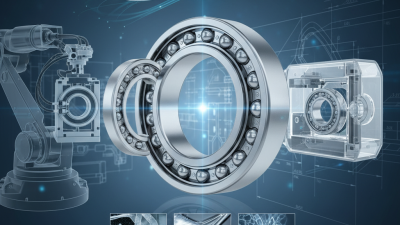
In recent years, the precision ball bearing industry has seen remarkable innovations. Manufacturers are focusing on improving material properties. Advanced ceramics and composites offer lighter weight and higher strength. This shift enhances performance in high-temperature and corrosive environments.
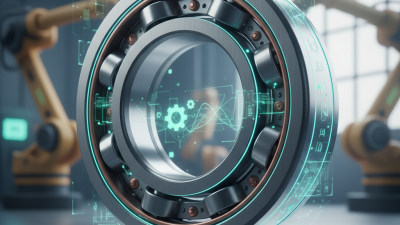
Another trend is the integration of smart technology in bearings. Sensors can now monitor conditions in real time. This capability leads to better predictive maintenance strategies. However, implementing these systems requires substantial investment. Companies must weigh the costs against potential benefits.
Sustainability is gaining traction in production practices. More manufacturers are exploring eco-friendly materials and processes. While this trend is promising, the transition may not be smooth. Challenges in sourcing sustainable materials still exist. The industry is evolving, but perfection remains a distant goal.
Best Precision Ball Bearings for Global Buyers to Consider? - Trends and Innovations in Precision Ball Bearings Technology
| Type |
Material |
Load Rating (kg) |
Operating Temperature (°C) |
Noise Level (dB) |
Applications |
| Deep Groove Ball Bearing |
Steel |
500 |
-20 to 120 |
30 |
Electric motors, pumps |
| Angular Contact Ball Bearing |
Ceramic |
300 |
-40 to 150 |
25 |
High-speed machinery, aerospace |
| Self-Aligning Ball Bearing |
Stainless Steel |
450 |
-20 to 100 |
32 |
Textile machinery, conveyors |
| Thrust Ball Bearing |
Carbon Steel |
200 |
-30 to 80 |
35 |
Gearboxes, cranes |
| Miniature Ball Bearing |
Plastic |
100 |
0 to 70 |
40 |
Robotics, drones |