What Are Steel Ball Bearings and How Do They Work?
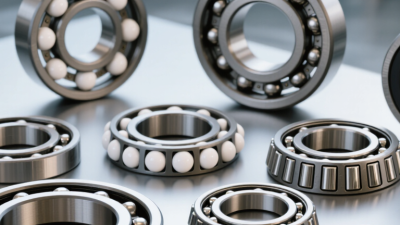
Steel Ball Bearings are precision components that reduce friction between moving parts. They appear in electric motors, bicycles, pumps, factory machinery, and automotive systems. Inside a bearing, hardened steel balls move between two metal rings, called races. This simple arrangement supports rotating loads while limiting direct surface contact.
The working principle is easier to understand with a familiar example. Imagine pushing a heavy cart across a rough floor. It requires force because sliding surfaces resist movement. Now place several small steel balls beneath the cart. The balls roll, reducing friction and helping the load move more smoothly. In a bearing, the inner race turns with the shaft, while the outer race usually remains fixed. A cage keeps the balls evenly spaced and prevents them from colliding repeatedly.
Precision matters. Even a tiny surface defect can create vibration, noise, or early wear. Proper lubrication forms a thin protective film between the balls and races. Seals can also block dust and moisture, although they are not perfect. They eventually age. Selecting a bearing requires more than checking its size. Engineers consider load direction, rotation speed, temperature, contamination, alignment, and expected service life.
Reliable guidance should come from manufacturer specifications and tested engineering practices. Real-world inspection remains valuable, too. Unusual humming, heat, or looseness often signals trouble before failure becomes obvious. Still, no bearing lasts forever. Installation mistakes are common, and even careful maintenance cannot correct every design weakness. Understanding these limits makes Steel Ball Bearings easier to select, use, and evaluate responsibly.
Definition and Basic Structure of Steel Ball Bearings
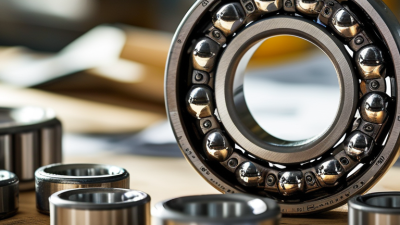
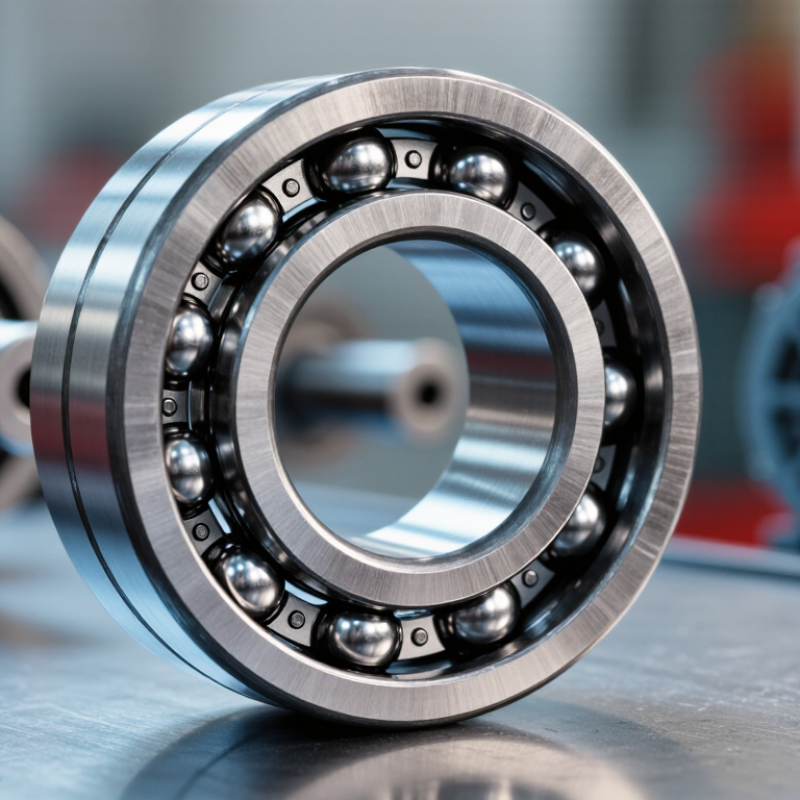
A steel ball bearing is a mechanical component that reduces friction between moving parts. It usually contains hardened steel balls, an inner ring, an outer ring, and a cage. The inner ring fits around a shaft, while the outer ring sits inside a housing. The cage keeps each ball evenly spaced during rotation. Without it, the balls could crowd together and create uneven contact.
When the shaft turns, the inner ring moves with it. The balls roll along curved tracks called raceways. Rolling contact produces much less sliding friction than direct metal-to-metal contact. This allows machinery to rotate smoothly while carrying radial loads, such as weight pressing downward. Some bearing designs also handle axial loads from side-to-side pressure.
Small details matter. The gap inside the bearing, called internal clearance, affects heat, noise, and movement. Too little clearance may cause binding as the steel expands. Too much can create vibration and inaccurate motion. In workshop inspections, rough rotation, discoloration, or unusual play often signals damage or poor lubrication. A bearing can look clean yet perform poorly. That is an easy mistake. Material hardness, surface finish, alignment, and operating temperature all influence its service life. Even a simple structure needs careful matching to the machine.
What Are Steel Ball Bearings and How Do They Work?
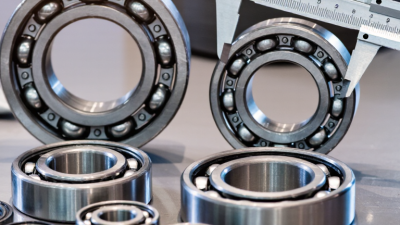
Steel ball bearings reduce friction by allowing hardened steel balls to roll between an inner ring and an outer ring. The following chart shows the standardized basic dimensions of a common deep-groove ball bearing size.
Structure: The inner ring fits around the shaft, the outer ring fits inside the housing, and the balls transfer radial loads while rolling between both rings. A cage keeps the balls evenly spaced.
Key Materials and Manufacturing Processes
What Are Steel Ball Bearings and How Do They Work?
Steel ball bearings reduce friction between moving parts by replacing sliding contact with rolling contact. Inside each bearing, hardened steel balls move between an inner ring and an outer ring. A cage keeps the balls evenly spaced. This arrangement supports rotating shafts while limiting heat, noise, and energy loss.
Material selection strongly affects bearing performance. Common bearing steel contains chromium, which improves hardness, wear resistance, and resistance to repeated stress. Some applications require stainless steel for better corrosion resistance, although it may not match the fatigue strength of hardened bearing steel. The balls, rings, and cage must also suit the operating load, speed, temperature, and surrounding moisture. Small details matter.
Manufacturing begins with carefully controlled steel stock. The material is formed, heat-treated, and ground to create hard surfaces with stable dimensions. Ball production may involve cold forming, flashing removal, heat treatment, and precision grinding. Final lapping produces a smoother surface. Cleanliness is critical. Even a tiny metal particle can create noise or early damage.
Quality checks measure roundness, surface roughness, hardness, and dimensional variation. Engineers also inspect vibration and running temperature under controlled conditions. In real machinery, perfect conditions rarely exist. Misalignment, excessive loads, poor lubrication, or contamination can shorten service life. That limitation deserves attention. A well-made bearing still depends on correct installation and regular inspection.
How Steel Ball Bearings Reduce Friction and Support Loads
What Are Steel Ball Bearings and How Do They Work?
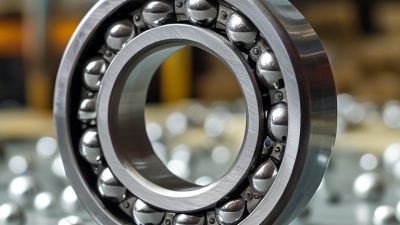
Steel ball bearings use hardened steel balls between two circular rings, called races. The balls roll as the shaft turns, replacing much of the sliding contact with rolling contact. Rolling still creates resistance, but it is usually far lower than direct metal-on-metal sliding. This allows motors, wheels, pumps, and conveyors to rotate with less heat and energy loss.
The inner race normally fits the rotating shaft. The outer race sits inside a housing and remains still. Each ball shares part of the load across small contact areas. Radial loads press downward on the bearing, while thrust loads act along the shaft. Correct sizing matters because excessive force can dent the raceways and create a rough, repeating vibration.
A thin film of suitable lubricant separates many contacting surfaces and carries heat away. Clean installation matters just as much. Dust, water, or a damaged seal can scratch the raceways and shorten service life. Misalignment also changes the load path, even when the bearing looks properly fitted. In practical maintenance work, a quiet bearing is not automatically a healthy one. A dry bearing may run briefly before failing. I have also seen over-greasing raise temperature instead of reducing it. Inspection should consider noise, play, heat, sealing, and operating speed together.
What Are Steel Ball Bearings and How Do They Work? - How Steel Ball Bearings Reduce Friction and Support Loads
| Data Dimension |
Typical Data or Range |
How It Affects Bearing Performance |
| Basic construction |
Inner ring, outer ring, steel balls, and cage |
The balls roll between precision raceways while the cage keeps them evenly spaced and prevents contact between adjacent balls. |
| Primary motion |
Rolling motion with limited sliding |
Rolling replaces most direct sliding between the shaft and housing, reducing mechanical resistance and heat generation. |
| Common bearing steel |
Hardened chromium-bearing steel; approximately 1.0% carbon and 1.5% chromium |
High hardness, wear resistance, and fatigue strength help the balls and raceways withstand repeated contact stress. |
| Material density |
Approximately 7.8 g/cm³ for hardened steel |
The relatively high density provides a rigid, durable rolling element but also contributes to centrifugal forces at high speed. |
| Elastic modulus |
Approximately 200 GPa for steel |
A high modulus limits elastic deformation and helps maintain accurate shaft alignment under load. |
| Typical ball hardness |
Approximately 58–66 HRC after heat treatment |
Hard surfaces resist indentation, surface fatigue, and wear caused by repeated rolling contact. |
| Typical rolling friction coefficient |
Approximately 0.001–0.003 under favorable lubricated conditions |
Low rolling resistance allows efficient rotation, although seals, lubricant viscosity, preload, speed, and contamination can increase torque. |
| Load direction |
Radial, axial, or combined loads |
Deep-groove designs commonly support radial and moderate axial loads; angular-contact designs are suited to higher axial loads in a specified direction. |
| Load distribution |
Load is shared by several balls, with the greatest force near the loaded zone |
Multiple contact points support rotating shafts while distributing force around the raceways. |
| Contact type |
Small elastic contact areas between balls and raceways |
The curved contact geometry supports substantial loads while keeping contact deformation localized and predictable. |
| Lubrication function |
Grease or oil film between contacting surfaces |
Lubrication reduces metal-to-metal contact, carries away heat, protects against corrosion, and limits wear. |
| Main causes of friction increase |
Insufficient or excessive lubricant, contamination, misalignment, seals, and excessive preload |
Higher friction increases operating temperature, energy consumption, noise, and the risk of premature failure. |
| Key service-life factors |
Load magnitude, speed, lubrication, cleanliness, alignment, and operating temperature |
Correct sizing and proper installation are essential because fatigue life is strongly affected by load and operating conditions. |
|
Note: Values are typical engineering ranges for hardened steel rolling bearings. Actual performance varies with bearing size, internal clearance, load, speed, lubrication, sealing, alignment, surface finish, and environmental conditions.
|
Maintenance, Failure Causes, and Service Life Factors
Steel ball bearings use hardened balls between inner and outer rings. They reduce sliding friction by creating rolling contact. A cage spaces the balls and helps distribute the load. During operation, rotation generates heat, noise, and small amounts of wear. Their service life depends less on appearance than on operating conditions.
Regular maintenance starts with correct lubrication, clean handling, and accurate shaft alignment. Use the lubricant quantity specified for the application, because excess grease can raise temperature. Keep seals and housings free from dust, water, and metal particles. During inspection, listen for rough sounds and check unusual temperature or vibration.
A clean-looking bearing may still contain fatigue cracks. Visual inspection alone is not enough. Improper mounting can dent raceways, especially when force passes through the balls. Never hammer the rings directly.
Common failures include fatigue flaking, corrosion, electrical damage, contamination, and misalignment. Heavy loads and shock shorten life, while excessive speed increases heat and lubricant breakdown. Poor storage can also cause rust before installation. Small errors matter. Engineers estimate rating life from load, speed, reliability, and material data. Real service life may differ because seals, vibration, installation quality, and maintenance vary. That gap deserves attention. Replacing bearings only by calendar date can waste useful life, yet waiting for noise risks secondary damage. A condition-based schedule is often more dependable.