How to Choose Thin Section Ball Bearings for Your Projects?
When embarking on a project that requires precision and reliability, selecting the right components is crucial. Thin Section Ball Bearings play a significant role in this process. Expert Richard Blanchard, a recognized authority in bearing technology, states, "The right bearing can make or break your project's success." His words resonate deeply within the engineering community.
Thin Section Ball Bearings offer several advantages, including reduced weight and space-saving designs. These features make them ideal for a variety of applications, from robotics to aerospace. However, choosing the right type can sometimes be overwhelming. Each project has unique requirements, impacting your selection.
Understanding load capacity, environmental factors, and operational speed is essential. Failing to consider these elements might lead to suboptimal performance. While Thin Section Ball Bearings have proven reliability, every decision needs reflection. Emphasizing quality and compatibility remains important for project success.
Understanding Thin Section Ball Bearings and Their Applications
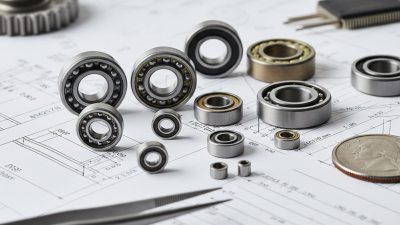
Thin section ball bearings are essential components in various applications, from robotics to aerospace. Their design allows for weight reduction while maintaining performance. This unique combination is beneficial in projects requiring compactness and durability.
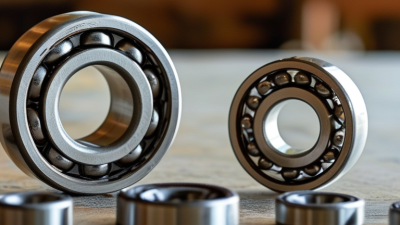
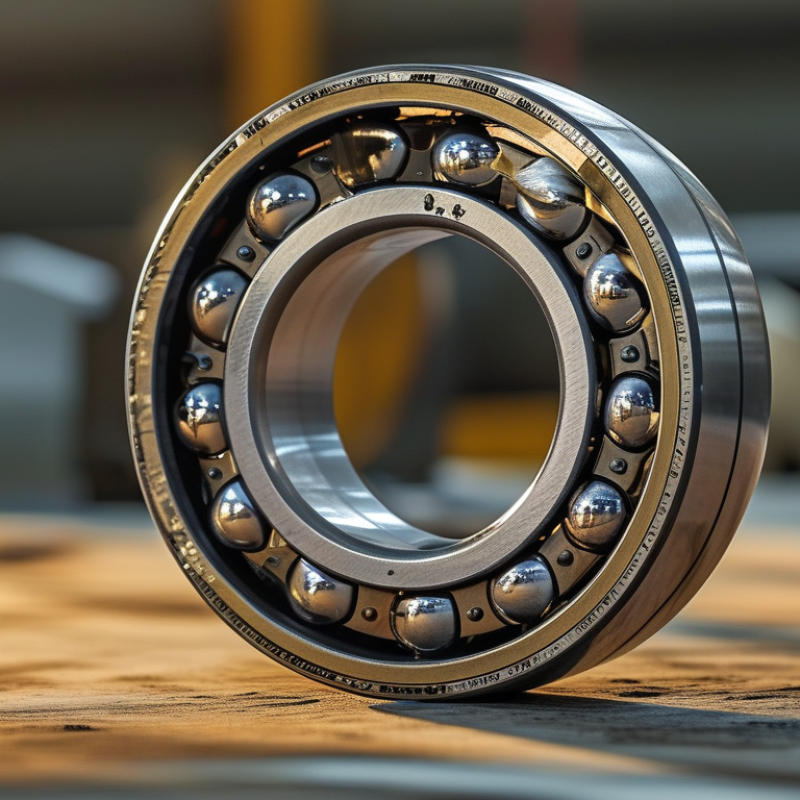
Understanding the construction of thin section ball bearings is crucial. They consist of inner and outer rings, retainer, and balls. The materials used often include stainless steel or ceramic. These elements work together to minimize friction and wear. However, installation can be tricky. Proper alignment and lubrication are necessary to prevent premature failure.
Thin section ball bearings excel in confined spaces. Engineers often use them in applications like medical devices and instrumentation. It's crucial to assess load capacity and operating conditions. Failure to do so may compromise the project's integrity. Experimentation with different configurations can lead to better performance. Each project presents unique challenges. It’s vital to adapt and optimize bearing selection to meet specific needs.
Key Considerations for Selecting the Right Thin Section Ball Bearing
Choosing the right thin section ball bearings involves various key considerations. One crucial factor is load capacity. According to industry studies, the load ratings influence performance significantly. A lighter bearing may reduce weight but could lead to premature failure if improperly selected. Understanding the load conditions for your application will help you identify the right bearing.
Another essential aspect is the material. Thin section ball bearings come in different materials, including stainless steel and ceramic. Each offers unique advantages. For example, stainless steel provides strength and durability, while ceramic can offer reduced weight and lower friction. However, ceramic bearings can be more brittle. Evaluating the operating environment is critical to ensure material compatibility.
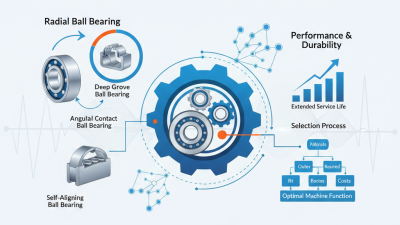
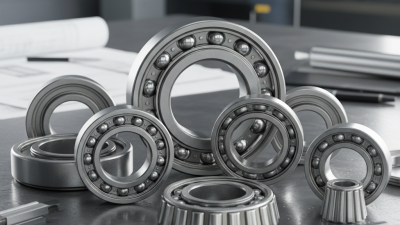
Additionally, consider the bearing's geometry. Thin section bearings are available in various configurations. The size and shape impact both fit and performance. A mishap in selecting the right dimensions can lead to operational inefficiencies. As a result, user experience and specific application requirements must drive your choice. The right bearing can optimize system performance while prolonging equipment life.
How to Choose Thin Section Ball Bearings for Your Projects? - Key Considerations for Selecting the Right Thin Section Ball Bearing
| Dimension |
Load Capacity (Static) |
Load Capacity (Dynamic) |
Speed Rating |
Material |
| 10 x 5 x 3 mm |
30 N |
15 N |
300 RPM |
Stainless Steel |
| 20 x 10 x 5 mm |
70 N |
35 N |
250 RPM |
Chrome Steel |
| 30 x 15 x 7 mm |
120 N |
60 N |
200 RPM |
Ceramic |
| 40 x 20 x 10 mm |
200 N |
100 N |
180 RPM |
Carbon Steel |
Material Choices: Stainless Steel vs. Ceramic in Thin Section Bearings
When selecting thin section ball bearings, the choice of material plays a critical role.
Stainless steel and ceramic each offer unique advantages and drawbacks.
Stainless steel is widely used for its strength and resistance to wear. It is also more affordable, making it a popular option for many projects.
However, stainless steel can corrode in harsh environments, which can compromise its lifespan.
On the other hand, ceramic materials provide exceptional resistance to wear and temperature fluctuations.
They are lighter than stainless steel and often have lower friction coefficients.
This can result in better overall performance in specific applications.
Yet, ceramic bearings can be brittle. A small impact may lead to failure, making them less ideal for certain high-impact environments.
Tips: Consider the environment in which your bearings will operate. If exposure to moisture is likely,
stainless steel could be a better choice. For applications where weight and temperature resistance are critical,
ceramic might perform better.
Evaluate your project’s specific needs carefully. Each material has its pros and cons that can influence your decision significantly.
Load Capacity and Performance Ratings for Thin Section Ball Bearings
Choosing the right thin section ball bearings hinges significantly on understanding their load capacity and performance ratings. These bearings are distinguished by their reduced dimensions while maintaining efficiency. According to the International Organization for Standardization (ISO), thin section bearings can support both radial and axial loads, which are crucial in applications like robotics and aerospace.
Load capacity plays a pivotal role in performance. The dynamic load ratings are defined by a standard measurement for ball bearings. For instance, a commonly referenced rating is the ISO 281, which highlights that the dynamic load capacity must be evaluated based on the most significant load conditions in the application. Manufacturers indicate dynamic capacity ratings that range widely depending on the bearing design, typically from a few hundred to several thousand newtons.
Performance metrics are complex. While numerical ratings provide guidance, they do not capture every operational nuance. Environmental factors such as temperature ratings and lubrication significantly influence the longevity and performance of thin section ball bearings. A discrepancy in load capacity due to improper lubrication can lead to premature failure, emphasizing the need for comprehensive testing and evaluation in real-world conditions.
This data illustrates the importance of thorough research and empirical validation to select the right component for specific projects. The interplay between load and performance requires careful consideration to ensure optimal functionality and reliability in critical applications.
Load Capacity and Performance Ratings for Thin Section Ball Bearings
This chart displays the load capacity of various thin section ball bearings. Choosing the right bearing is crucial for your project's performance based on its load capacity ratings.
Maintenance Tips for Enhancing the Life of Thin Section Ball Bearings
Maintaining thin section ball bearings is crucial for optimal performance. Regular maintenance can significantly enhance their lifespan. Start by ensuring proper lubrication. Use the right type of grease or oil specified for the bearings. Over-lubrication can attract dust and debris, while under-lubrication may cause wear. Establish a routine to check the lubrication levels every few weeks.
Check for any play or noise during operation. Unusual sounds may indicate internal damage. Inspect the seals regularly. Damaged seals can allow contaminants to enter the bearings. Clean the bearings periodically with a suitable solvent. Make sure to dry them thoroughly afterwards. Replace them if you notice excessive wear or any degradation in performance.
Also, monitor the operating temperature. High temperatures can lead to faster deterioration. If your project environment exposes the bearings to extreme conditions, consider protective measures. This includes housing designs that mitigate exposure to dirt or moisture. Reflect on your practices; are they sufficient? Sometimes, we overlook small details that can make a big difference in bearing life. Adjust your maintenance schedule based on the bearing's operating conditions and load.