How to Choose the Right Small Ball Bearings for Your Projects?
When selecting Small Ball Bearings for various applications, the decision-making process can be challenging. Statistics reveal that the global ball bearing market is projected to reach $23 billion by 2026, growing at a CAGR of 5.2%. Small Ball Bearings play a crucial role in numerous industries, including automotive, aerospace, and electronics. Their efficiency and versatility make them indispensable components.
Yet, choosing the right Small Ball Bearings requires careful consideration of several factors. Factors such as load capacity, material, and size matter significantly. Misjudgments can lead to equipment failures or reduced performance, which is costly. A survey indicated that 30% of projects experienced delays due to improper bearing selection.
It’s essential to evaluate your project's specific needs. Consider the operating environment, expected loads, and precision requirements. Insights from industry reports show that over 60% of users acknowledged difficulty in selecting appropriate bearings. Reflecting on these challenges can lead to better-informed choices in the future.
Understanding the Basics of Small Ball Bearings
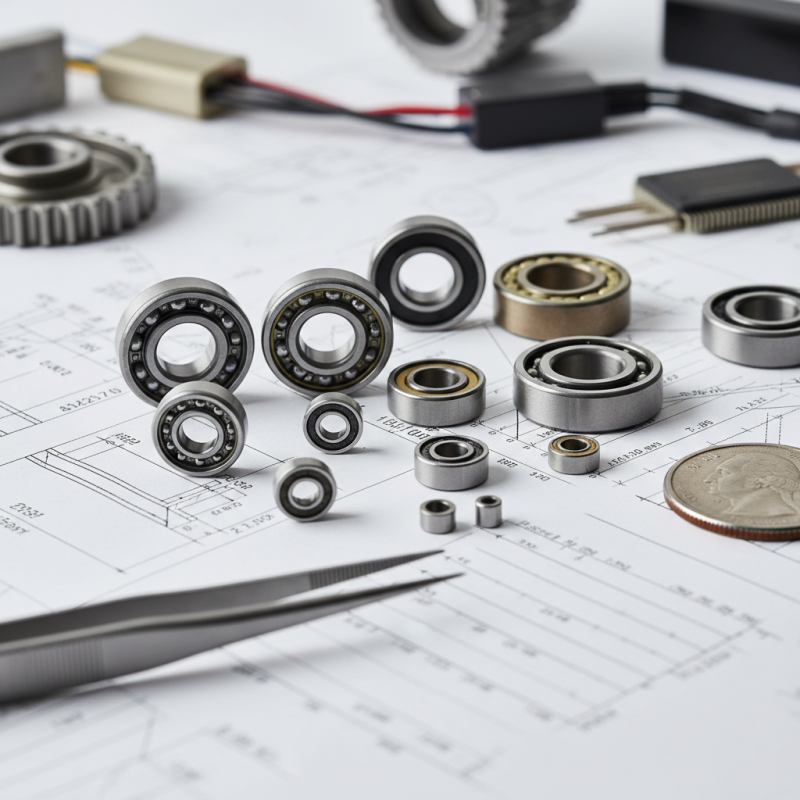
Small ball bearings are essential components in many mechanical projects. They facilitate smooth motion and reduce friction. Understanding their basic features can help you select the right type for your needs.
When you choose ball bearings, consider their size, load capacity, and material. Ball bearings come in a variety of dimensions. A wrong size can lead to performance issues. Proper fitting is crucial for their efficiency. Materials like steel and plastic serve different purposes. Make sure you know the environment where the bearing will operate. For instance, plastic may not handle heat well.
Installation is also a critical aspect. Even the best ball bearing can malfunction if improperly installed. Some may require lubrication to function correctly. If you overlook this step, you might end up with wear and tear sooner than expected. Always test your setup before finalizing it.
Reflect on any difficulties you face during the selection process. They can provide valuable insights for future projects.
Identifying the Key Specifications for Your Applications
When selecting small ball bearings, understanding the key specifications is crucial. Diameter, load capacity, and material are essential factors. The inner and outer diameters determine fit and performance. A bearing that is too small may fail to support the required load. Conversely, an oversized bearing can affect efficiency and lead to unwanted wear.
Load capacity is another vital specification. It dictates how much weight a bearing can handle effectively. Ignoring this can result in significant issues. For instance, if you choose a bearing with insufficient load capacity, it could fail prematurely. Some projects require high-speed bearings, while others prioritize durability. The right choice depends on your specific application.
Material choice affects weight, corrosion resistance, and temperature tolerance. Steel bearings are common but may not suit all environments. Plastic bearings can offer advantages in certain projects but might not provide the same load capacity. It's essential to weigh the pros and cons. Consider where the bearing will be used. Each specification plays a role in the overall performance of your application. Even minor discrepancies in specifications can lead to significant problems down the line.
How to Choose the Right Small Ball Bearings for Your Projects?
| Specification |
Value |
| Inner Diameter (ID) |
3 mm |
| Outer Diameter (OD) |
8 mm |
| Width |
4 mm |
| Material |
Stainless Steel |
| Load Rating |
500 N |
| Max RPM |
25,000 |
| Operating Temperature |
-20 to 120 °C |
| Precision Class |
ABEC 1 |
Evaluating Material Options for Durability and Performance
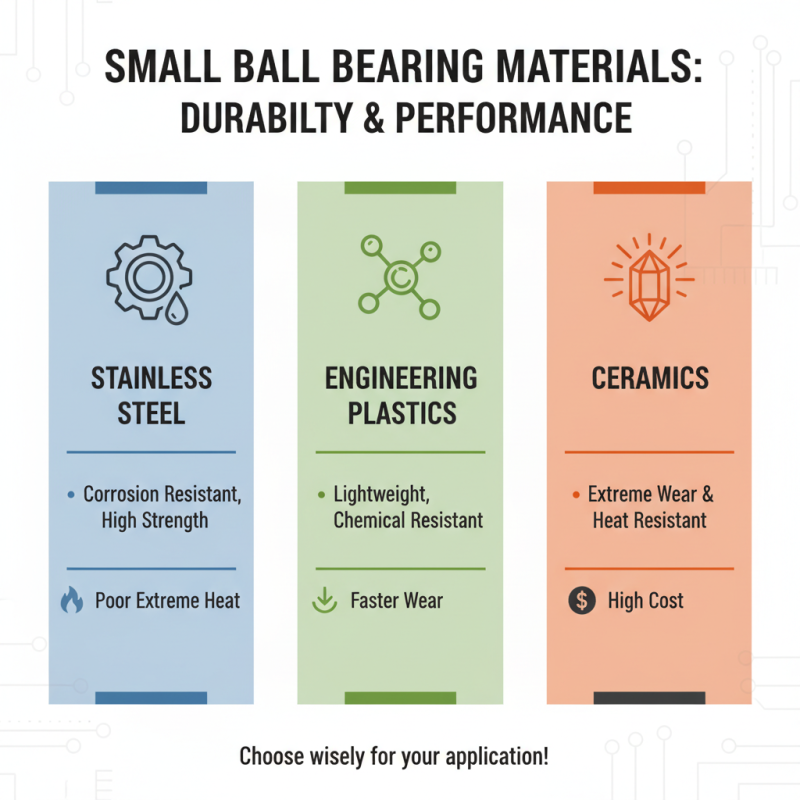
When selecting small ball bearings, material choice heavily influences durability and performance. Common materials include stainless steel, plastic, and ceramic. Stainless steel is known for its corrosion resistance and strength. However, it may not perform well in extreme heat. Plastic bearings offer lightweight options. They can resist chemicals but may wear down faster. Ceramic materials provide excellent resistance to wear and heat, but they come at a higher cost.
Durability is crucial for many applications. According to a report by the American Bearing Manufacturers Association, up to 40% of bearing failures result from material fatigue. Choosing the right material can mitigate this issue. Assessing the operating conditions before making a decision is vital.
Tip: Consider the environment where the bearings will be used. High humidity or corrosive substances may necessitate specialized materials for longevity.
Another important aspect is load capacity. Different materials handle loads differently. The bearing's size also impacts its strength. Some projects may require trial and error to find the ideal match. Keep in mind that even standard materials can underperform if misapplied.
Tip: Don't skimp on research. Analyze data from recent studies about bearing performance in specific environments. Knowledge can save costs over time.
Considering Load Capacity and Tolerance Requirements
When selecting small ball bearings for your projects, the load capacity is crucial. Each bearing can handle a specific weight. This means you must assess the forces your application will exert on the bearing. Pay careful attention to both static and dynamic loads. If a bearing is overloaded, it could fail prematurely, leading to costly repairs.
Tolerance requirements are equally important. Tolerances determine how precisely the bearing components fit together. A tight tolerance often results in smoother operation, but it can be more expensive. On the other hand, loose tolerances can lead to vibrations or noise. Always consider the environment in which the bearing will operate. Dust and moisture can affect tolerances over time. Striking a balance between load capacity and tolerance can be tricky.
It's easy to overlook these details when choosing bearings. You might focus solely on size or material. However, ignoring load and tolerance can cause major issues later. Ask yourself: Are you really considering all factors? Take time to reflect on your choices. This will ultimately improve your project's success.
Load Capacity and Tolerance of Small Ball Bearings
Tips for Sourcing and Testing Small Ball Bearings for Projects
When sourcing small ball bearings for your projects, prioritize quality and specifications. Understand the size, load capacity, and material. Check if you need sealed or open bearings. Sealed bearings often offer better protection against contaminants. Open bearings are easier to lubricate but require more maintenance.
Testing is critical. You might start with basic rotation tests to check for smoothness. Listen for unusual noises. If possible, test under load conditions. This might reveal weaknesses in the bearing. Always consider the environment. High humidity or dust can affect performance. You can get feedback from experienced users too.
Don't rush the decision. Sometimes, the perfect product isn’t the most expensive. Reviewing specifications may lead to surprising finds. Make sure to document your testing results. A structured approach will help in making informed choices. Reflect on each project's demands, and be willing to learn from past mistakes.