2026 Top Trends in Industrial Ball Bearings Innovations and Applications?
In the dynamic world of machinery and manufacturing, Industrial Ball Bearings play a crucial role. These components reduce friction and support high-speed operations in various applications. As industries evolve, the demand for innovative bearing solutions has grown significantly.
The year 2026 promises exciting trends in Industrial Ball Bearings, driven by technological advancements and sustainability. This sector is seeing a surge in smart bearings, capable of predictive maintenance. This innovation enhances equipment longevity and reduces downtime. Moreover, the focus on eco-friendly materials is reshaping manufacturing processes.
However, challenges persist. Companies must balance innovation with cost-effectiveness. The rapid pace of development can lead to inconsistencies in quality. Nevertheless, the future of Industrial Ball Bearings looks bright, with numerous opportunities for growth and improvement. As we explore these trends, it is essential to reflect on our progress and the road ahead.
Emerging Technologies in Industrial Ball Bearings for 2026
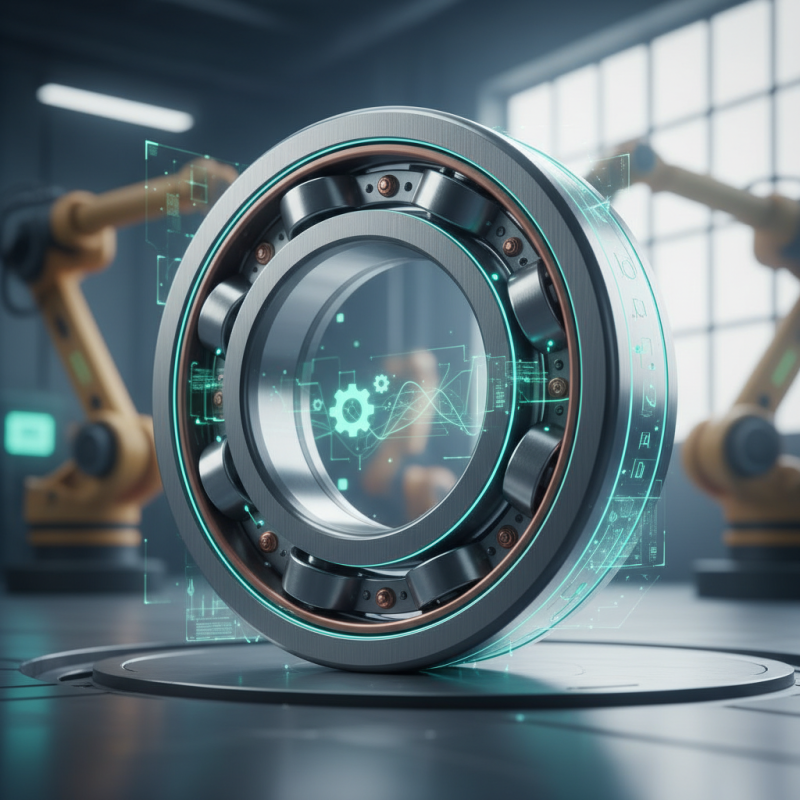
The year 2026 promises to showcase groundbreaking innovations in industrial ball bearings. New materials are emerging, enhancing durability and reducing friction. These developments aim to extend the lifecycle of bearings used in various applications. The application of advanced composites, such as carbon fiber, is becoming more common. These materials offer weight savings and improved performance.
Automation is also transforming the industry. Smart ball bearings equipped with sensors can now monitor performance in real-time. This technology allows for predictive maintenance, reducing unexpected breakdowns. However, integration into existing systems poses challenges. Many companies may struggle with the transition from traditional methods.
Sustainability is a growing focus. Manufacturers are exploring eco-friendly options, such as recyclable materials, to lessen environmental impacts. As innovation continues, the industry must balance performance and sustainability. Continuous research is essential as the landscape evolves. Adapting to these changes requires both investment and a willingness to embrace new ideas.
Innovative Materials Enhancing Performance and Durability of Bearings
In recent years, innovative materials have emerged as crucial factors in enhancing the performance and durability of industrial ball bearings. Research from industry experts indicates that advanced composites and ceramics are increasingly used for bearing manufacturing. These materials resist wear and minimize friction, leading to longer service life. For instance, ceramic ball bearings can withstand higher temperatures and corrosive environments, making them ideal for aerospace and automotive applications.
Tips: Always consider the operational environment when selecting materials for bearings. Temperature and chemical exposure can significantly impact performance.
Another trend is the development of hybrid bearings, which combine steel and ceramic materials. This design leverages the strengths of both materials. Steel provides toughness, while ceramics offer lightweight and corrosion resistance. According to the American Society of Mechanical Engineers (ASME), these hybrid solutions can enhance load capacity by up to 30%. However, they may also present challenges in terms of initial cost and installation complexity.
Tips: Evaluate the long-term benefits against the short-term investment when considering hybrid bearings. Sometimes, the best choice may require a higher upfront cost.
Smart Bearings: Integration of IoT and Data Analytics in Applications
The integration of IoT and data analytics is shaping the future of industrial ball bearings. Smart bearings equipped with sensors can monitor performance in real-time. These sensors track temperature, vibration, and load, providing crucial data for maintenance. This data allows for predictive analytics, which helps in anticipating failures before they occur.
Innovations in material science also play a role. Advanced materials enhance stability and reduce friction. However, not all applications benefit equally from these technologies. Some industries may face challenges in data management and analysis. Implementing these smart solutions requires significant investment and expertise, which can be a barrier for smaller companies.
Data security is another concern. As more devices connect to the internet, vulnerabilities can arise. With increasing cyber threats, the reliability of data becomes paramount. This aspect requires constant vigilance and improvements in security measures. While the advantages are clear, the risks must be considered as well.
Sustainability Trends in Manufacturing and Recycling of Ball Bearings
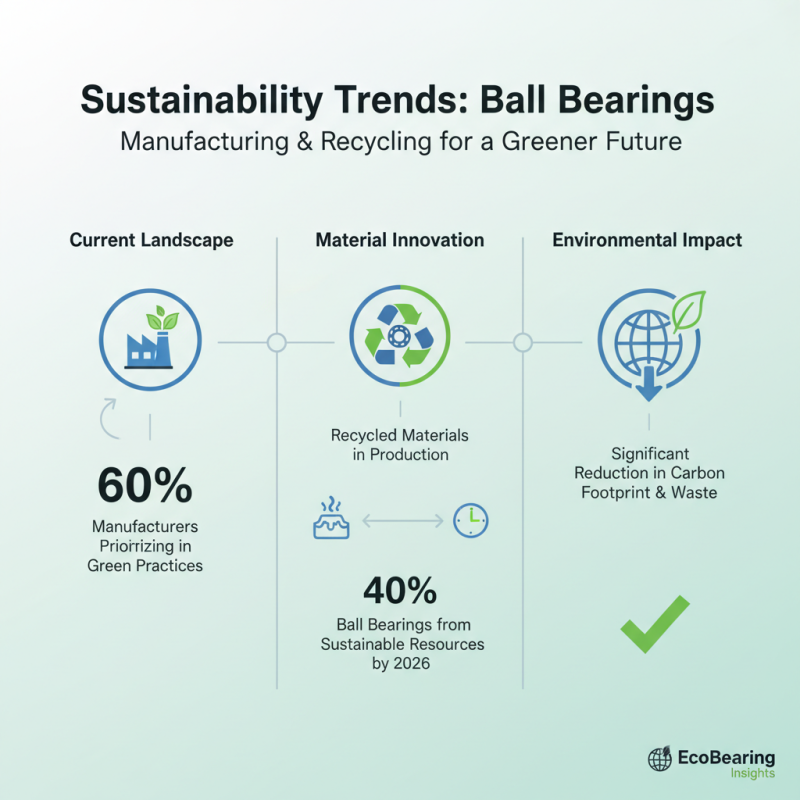
Sustainability is reshaping the manufacturing landscape, including the ball bearings sector. According to a recent study, around 60% of manufacturers are now prioritizing green practices. This trend includes using recycled materials in production. By 2026, 40% of ball bearings will be made from sustainable resources. This shift reduces environmental impact significantly.
Manufacturers face challenges in adopting these practices. For example, sourcing high-quality recycled materials can be complex. The consistency of recycled inputs often varies, potentially affecting product quality. Yet, improving recycling methods is crucial. Companies will need to explore innovative processing techniques to ensure sustainability and performance.
Tips: Consider how your supply chain can integrate recycled materials. Be aware of the quality variations when choosing suppliers. Staying informed about new recycling technologies can enhance your operations. Developing partnerships with recycling firms can also prove beneficial.
Advanced Applications of Ball Bearings in Various Industries
In recent years, the applications of ball bearings have evolved significantly across various industries. They are now crucial components in advanced machinery, contributing to efficiency and precision. Industries such as automotive and aerospace benefit notably from improved designs. These bearings enhance performance by reducing friction and ensuring smoother operations. The trend towards automation further amplifies their importance.
The integration of smart technology with ball bearings is transforming their functionality. Sensors embedded within bearings provide real-time data. This innovation is crucial for predictive maintenance, reducing downtime and enhancing safety. However, the complexity of such systems raises concerns regarding reliability and potential failure modes. Manufacturers must prioritize rigorous testing and validation processes.
Manufacturing processes are becoming more sustainable as well. Companies are exploring eco-friendly materials and energy-efficient designs. Despite these advancements, challenges remain in balancing performance and environmental impact. Ongoing research is vital to develop solutions that meet the rising demands for sustainability without compromising integrity. Understanding these dynamics will be essential as industries continue to innovate.
2026 Top Trends in Industrial Ball Bearings Innovations and Applications
| Trend |
Industry Applications |
Innovative Technologies |
Benefits |
| Smart Sensors Integration |
Manufacturing and Automation |
IoT-enabled ball bearings |
Enhanced monitoring and predictive maintenance |
| Advanced Materials |
Aerospace and Automotive |
Ceramic and composite materials |
Increased durability and weight reduction |
| Energy Efficiency |
Renewable Energy |
Low friction coatings |
Reduced energy consumption and cost savings |
| Customizable Solutions |
Pharmaceutical and Food Industry |
Modular bearing designs |
Tailored solutions to specific needs |
| Sustainability Initiatives |
Construction and Heavy Machinery |
Recyclable materials and eco-friendly processes |
Reduced environmental impact and better compliance |