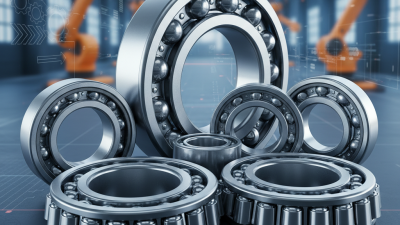
2026 How to Select the Best Small Ball Bearings for Your Projects?
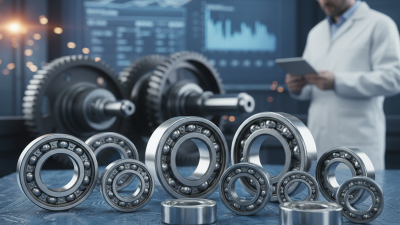
When embarking on a project, selecting the right Small Ball Bearings can significantly influence its success. These tiny components are essential for reducing friction in machines, ensuring smooth operation in various applications. However, choosing the correct type requires careful consideration of several factors.
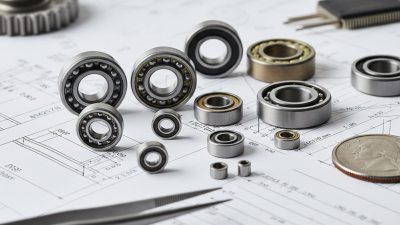
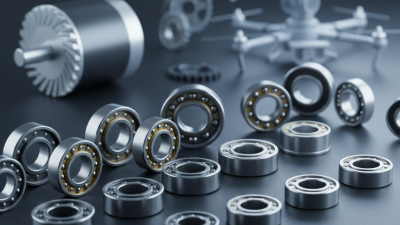
Small Ball Bearings come in different sizes and materials. The right choice depends on your specific needs, such as load capacity and speed. Some projects may benefit from steel bearings due to their strength, while others may require ceramics for lower weight. Each material presents unique advantages and drawbacks. Understanding these nuances is crucial.
It’s easy to overlook the importance of these small components until problems arise. A wrong selection can lead to frequent failures, wasted resources, and project delays. Therefore, gaining knowledge through research and experience is vital. Consulting with experts can also provide valuable insights into the world of Small Ball Bearings.
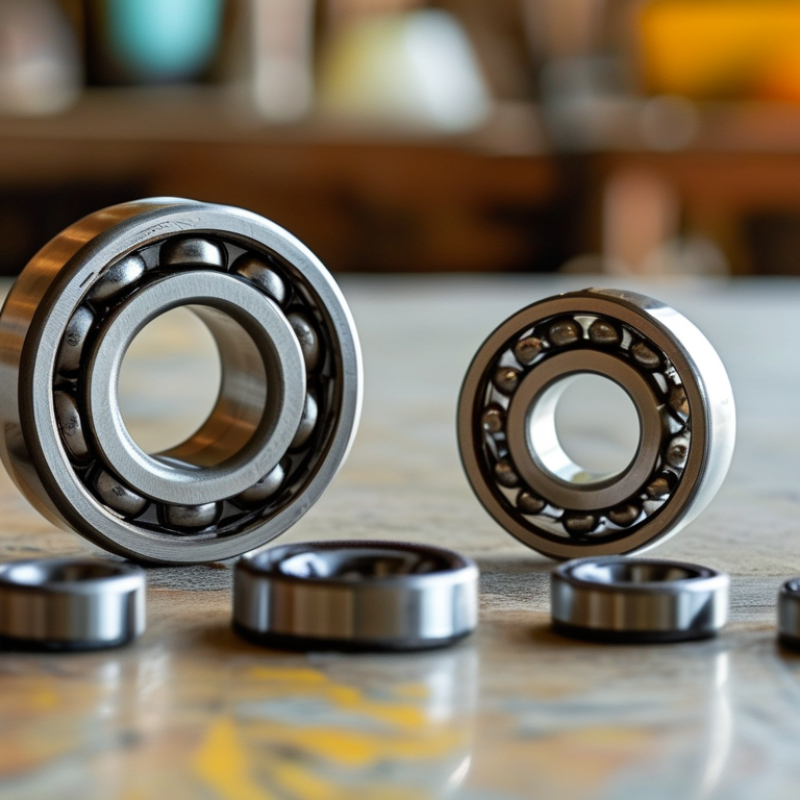
Understanding Small Ball Bearings: Definitions and Applications
When selecting small ball bearings for various applications, understanding their definitions and functions is crucial. Small ball bearings are essential components widely used in machinery, automotive parts, and consumer electronics. They reduce friction, enable smooth movement, and enhance overall efficiency. According to industry reports, the global ball bearings market is expected to reach $20 billion by 2026. This forecast reflects the growing demand in sectors like robotics and renewable energy.
When choosing the right small ball bearings, consider the materials used. Stainless steel and ceramic are popular choices due to their durability and resistance to corrosion. Each material has its advantages and may affect performance differently. Remember, not all small ball bearings are created equal. It's crucial to assess load ratings and precision levels specific to your application to avoid inefficiencies.
Tip: Always verify the bearing’s load capacity before installation.
Bearings are not always flawless. Some may fail under extreme conditions. Regular maintenance can prolong their life, but it’s essential to choose bearings that match your specific needs. Conducting thorough research can save time and resources in the long run.
Tip: Keep spare bearings on hand for quick replacements.
Key Factors to Consider When Choosing Small Ball Bearings
When selecting small ball bearings for your project, several key factors demand attention. First, consider the size and load capacity. The bearing must fit precisely in your design. Overloading can lead to failure, affecting performance. Think about the environment, too. Bearings in humid areas need protection against rust. In contrast, high-heat situations require materials that won't deform.
Another crucial aspect is the type of lubrication. Different applications may demand specific lubricants. From grease to oil, each option affects performance. You need to ensure that the lubricant you choose complements the operational speed and temperature. Understand the expected lifespan of the bearing. Some designs may wear out quicker than others. Testing under your project’s conditions can reveal weaknesses.
Bear in mind the manufacturing process. Precision in production impacts the bearing's effectiveness. Variations can lead to noise and reduced efficiency. Research different technologies, like ceramic vs. metal. Both have distinct advantages and drawbacks. Understanding these details can prevent costly mistakes later on.
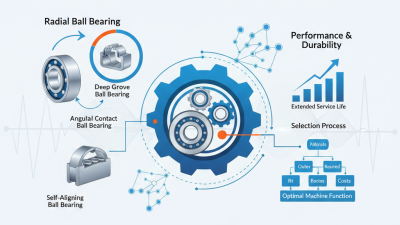
Comparison of Key Factors in Selecting Small Ball Bearings
Materials and Manufacturing Processes for Small Ball Bearings
When selecting small ball bearings, material choice is crucial. The most common materials are stainless steel, chrome steel, and ceramic. Stainless steel offers corrosion resistance, which is essential for humid environments. Chrome steel provides excellent hardness and wear resistance, making it suitable for heavy loads. Ceramic bearings, while more expensive, are lighter and can withstand higher temperatures.
Manufacturing processes also impact performance. The grinding process is critical; precision ensures minimal friction and longer lifespan. Heat treatment enhances the hardness of steel bearings, improving their durability. While ceramics require a different approach, their production focuses on maintaining constant quality and precision.
Consider the bearing's application. For example, bearings used in high-speed machinery need specific attention to material and manufacturing quality. Overlooking these details can lead to premature failure. Testing is equally important. Not all bearings perform the same under stress or extreme conditions. Each project has unique requirements that demand careful analysis.
Performance Characteristics: Load Ratings and Speed Considerations
Selecting small ball bearings requires attention to performance characteristics. Load ratings play a crucial role. They indicate the maximum weight a bearing can support. Both dynamic and static load ratings are essential for understanding bearing longevity and reliability.
Speed considerations are equally important. Bearings must handle the operational speeds of the application. High speeds generate heat, impacting performance. Adequate lubrication is essential to reduce friction. Choose bearings designed for your specific speed needs to avoid premature failure.
While these factors guide selection, it's important to reflect on your project's unique requirements. Sometimes, the ideal bearing might not be readily available. Exploring alternatives can lead to improved performance. Each project's demands can illuminate new paths in bearing selection.
Maintenance and Care Tips for Long-lasting Small Ball Bearings
Maintaining small ball bearings is crucial for their longevity and performance.
According to industry reports, proper care can extend bearing life by up to 50%.
Regular maintenance and cleanliness make a significant difference. Dirt and debris can significantly reduce their efficiency.
Use compressed air or gentle solvents for cleaning, but avoid harsh chemicals.
Ensure proper lubrication. Insufficient grease can lead to premature wear.
The National Lubricating Grease Institute recommends regular checks to ensure appropriate levels of grease are maintained in bearings.
Consider using a lubricant specifically designed for your environment.
Check for vibrations and noise. These can indicate underlying issues.
Immediate attention is necessary to prevent further damage.
Sometimes, small adjustments or replacements can significantly improve performance.
Keep an eye on the temperature during operation as overheating can shorten the lifespan of bearings.
Regular inspections and timely interventions are key to reliability.