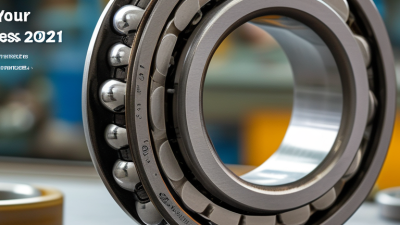
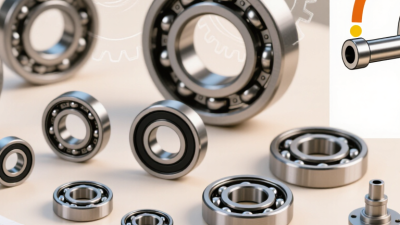
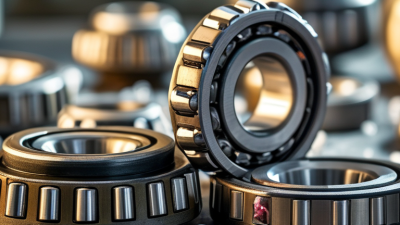
Choosing an Axial Ball Bearing supplier in China involves more than comparing unit prices. These bearings carry loads along a shaft’s axis, so the right design depends on operating speed, load direction, space, and lubrication. A bearing that looks suitable on a catalog page may perform poorly if its dimensions or working conditions are misunderstood. Small details matter.
This guide introduces manufacturers and suppliers serving different industrial needs, from standard components to custom specifications. It also outlines practical points buyers can verify: product range, material options, dimensional tolerances, inspection procedures, sample availability, and technical support. Ask for drawings and test documentation where appropriate, and confirm that the supplier can explain its quality-control process clearly. A fast reply helps, but it does not prove consistent production. Look for evidence.
Supplier rankings can be useful starting points, not final decisions. Company capabilities, lead times, and product quality may change, and public information can be incomplete. Even a careful checklist has limits. Before placing a large order, compare samples, clarify packaging and delivery terms, and agree on how defects will be handled. This overview aims to make those conversations more focused, helping engineers, purchasing teams, and distributors assess Chinese suppliers with practical questions rather than broad promises.
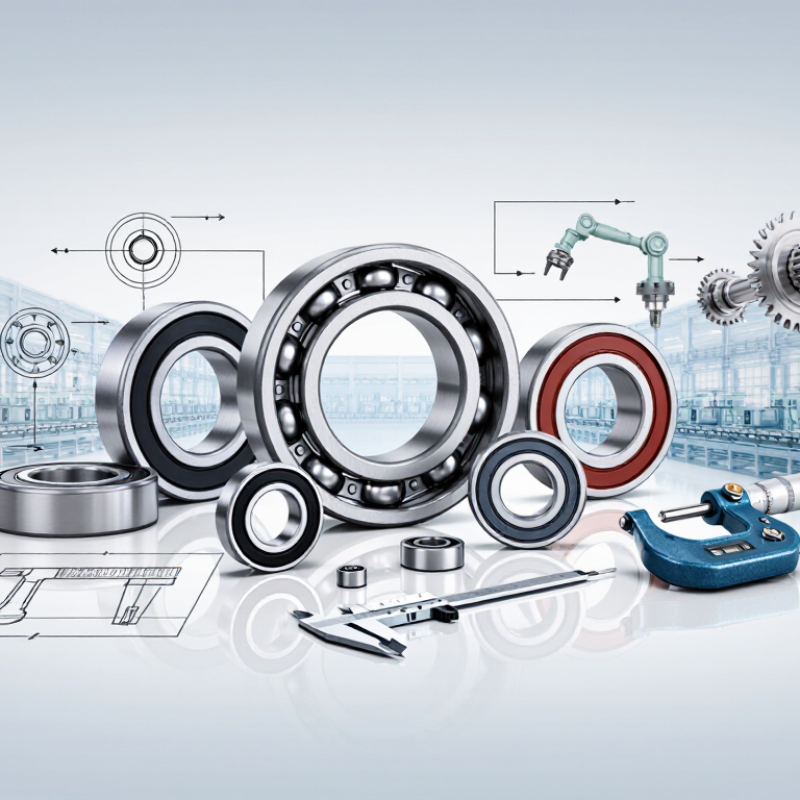
Axial ball bearings support loads acting parallel to a shaft, unlike radial bearings, which mainly handle loads across it. Their compact design suits pumps, compressors, machine tools, and vertical motors, where thrust can build as rotating parts push against a housing. In a pump, for example, the bearing helps control shaft movement while the impeller moves fluid. Small parts matter. Yet an axial bearing is not a universal fix: it has limited capacity for radial loads, and excess heat, poor lubrication, or misalignment can shorten its service life.
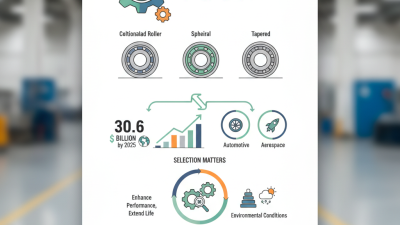
Industrial demand makes correct selection increasingly relevant. The Global Wind Energy Council’s Global Wind Report 2024 recorded 117 gigawatts of new wind capacity installed worldwide in 2023. Wind turbines contain complex rotating assemblies, where thrust loads and operating conditions must be assessed component by component. That figure does not measure axial-bearing demand directly, but it shows the scale of equipment requiring dependable rotational support. Engineers typically check load direction, speed, temperature, lubrication, and expected service life before choosing a bearing. ISO 281 provides methods for calculating rolling-bearing rating life, but real performance can differ when contamination or installation errors are overlooked. This is easy to miss. A careful inspection plan still matters.
China Top Axial Ball Bearing Manufacturers and Suppliers?
How to Evaluate Chinese Axial Ball Bearing Manufacturers
When evaluating a Chinese axial ball bearing manufacturer, match its test evidence to your operating conditions. Share the actual axial load, speed, temperature, lubrication method, and required service life. A bearing designed for a slow, steady load may fail early in a fast, hot assembly. Ask for dimensional inspection records, material traceability, and test results from production batches—not only a sample. Check whether the supplier can explain its measurement methods and provide repeatable data. A polished brochure is not proof.
Use recognized technical references to assess claims. ISO 281:2007 calculates basic rating life under stated assumptions, with L10 life corresponding to 90% reliability. This is a statistical estimate, not a service-life guarantee. ISO 15243:2017 classifies rolling-bearing damage, including fatigue, wear, corrosion, and fracture. Ask how the factory investigates failures and whether its inspection records can trace a bearing back to its production batch. Small gaps in documentation matter.
Tips: Request a sample and inspect the raceway finish, cage movement, and packaging. Compare measured dimensions with the drawing. Ask for a clear report of axial-load and running tests. If a supplier cannot explain a failed result, pause. No checklist is perfect; even a careful audit can miss inconsistent production.
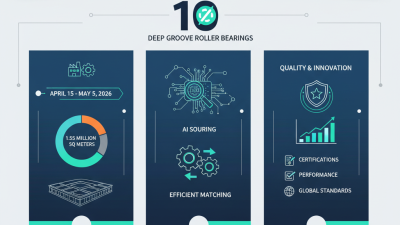
Suggested evaluation weights for comparing suppliers. These are a buyer-defined scoring framework, not measured industry statistics; adjust them to match your application and requirements.
Compare suppliers using consistent evidence, such as inspection records, material and dimensional specifications, bearing test results, relevant certifications, sample performance, lead-time history, and written warranty terms.
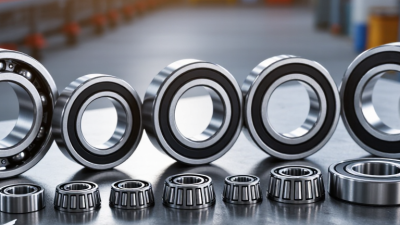
China’s axial ball bearing manufacturers and suppliers serve machinery makers, pump builders, and industrial distributors. Their products handle loads acting mainly along a shaft, rather than sideways. A typical assembly includes two washers, a ball-and-cage unit, and a defined running clearance. Small differences matter. A washer that sits unevenly can create noise, heat, and premature wear.
When comparing suppliers, ask for load ratings, speed limits, material details, and lubrication guidance for the exact bearing size. Share the shaft dimensions, operating temperature, and expected duty cycle. A supplier who asks follow-up questions may be more useful than one who quotes from a catalog alone. Request sample parts and dimensional inspection records before placing a large order. Check that packaging protects the raceways from moisture and impact during transit.
Price is only one part of the decision. Ask how production batches are traced and how defects are handled. Not every supplier will provide the same level of technical support, and a polished catalog is not proof of consistent quality. I would still verify samples under the intended operating conditions; laboratory figures cannot capture every installation issue. During inspection, look for burrs, dents, uneven rotation, and clear marking of the bearing dimensions.
When comparing China-based axial ball bearing manufacturers and suppliers, look beyond catalog size. A useful range may include different bore diameters, load capacities, cage materials, and lubrication options. Check whether the supplier can provide drawings and measured tolerances for the exact model. A broad product list is not proof that every size is regularly produced. Ask about lead times and sample availability.
Quality standards matter in daily use. Request inspection records for dimensions, noise, and rotational accuracy, and confirm how batches are traced. A certificate alone may not show how consistently parts are checked. Customization can cover seals, materials, packaging, or fit requirements, but every change should be documented. Small changes can affect friction and service life. This part deserves a second look.
Tips: Share shaft and housing dimensions, operating speed, load direction, temperature, and duty cycle. Ask for a sample and its inspection data before approving a large order. If specifications are incomplete, pause and clarify them. That extra step can prevent an awkward mismatch later.
| Product Type | Bearing Arrangement | Load Direction and Use | Typical Construction Options | Relevant Standards | Common Customization Options |
|---|---|---|---|---|---|
| Single-direction thrust ball bearing | One shaft washer, one housing washer, and a ball-and-cage assembly | Designed primarily to carry axial load in one direction. It is not intended to accommodate substantial radial load. | Available with different washer and cage materials; steel bearing steel and stainless steel are common material choices, depending on the application. | ISO 199 covers tolerances for thrust bearings. ISO 281 provides methods for calculating the basic rating life of rolling bearings. | Special bore or outside dimensions, cage material, material selection, lubrication, and packaging may be requested subject to design review. |
| Double-direction thrust ball bearing | Two shaft washers, one housing washer, and two ball-and-cage assemblies | Designed to carry axial load in both directions. Proper alignment and application-specific support remain important. | Washer and cage configurations vary by design; material and lubrication choices depend on operating conditions. | ISO 199 is relevant to thrust-bearing tolerances; ISO 281 is relevant to rolling-bearing rating-life calculations. | Non-standard dimensions, cage design, materials, lubrication, and assembly requirements can be evaluated for specific equipment. |
| Miniature thrust ball bearing | Compact thrust-bearing assembly, generally selected for limited installation space | Used for relatively small axial loads in compact mechanisms; allowable speed and load depend on the specific design. | Small-size steel or stainless-steel components and different cage or lubrication arrangements may be available. | ISO 199 may be used as a tolerance reference where applicable. Confirm the required size and tolerance class with the supplier. | Small dimensional changes, corrosion-resistant materials, lubricant selection, and special inspection requirements may be discussed. |
| Thrust ball bearing with flat seats | Flat washer seating faces; the assembly requires suitable support and alignment in the surrounding structure | Suitable where mounting faces are accurately aligned. It does not compensate for significant shaft or housing misalignment. | Washer geometry, cage type, and material options vary by product design and supplier capability. | ISO 199 addresses thrust-bearing tolerances. Installation and operating conditions should be checked against the bearing design. | Seat dimensions, clearance or fit requirements, material, lubrication, and inspection documentation may be specified. |
| Thrust ball bearing with spherical seating washers | Includes a spherical washer and a matching seating washer to accommodate limited static misalignment | Can accommodate limited alignment variation at the seating interface; it is not a substitute for correcting major misalignment. | Spherical seating components are used with the thrust-bearing assembly; material and dimensional availability depend on the design. | ISO 199 may apply to thrust-bearing tolerances. Verify the complete assembly dimensions and permissible alignment with the supplier. | Matching seating components, non-standard dimensions, material choices, and assembly specifications may be requested. |
| Application-specific or custom thrust ball bearing | Configuration developed or adapted for a defined installation and operating requirement | Load capacity, speed, temperature range, and service life must be assessed using the actual application data. | Potential choices include bearing steel or corrosion-resistant materials, cage variations, and application-specific lubrication. | ISO 199 and ISO 281 can support tolerance and rating-life considerations where applicable. ISO 9001 relates to a supplier’s quality management system, not a bearing’s performance rating. | Possible requests include special dimensions, materials, cage design, lubrication, marking, inspection plans, and documentation. Feasibility requires engineering confirmation. |
| Comparison guide: Product availability, dimensions, tolerances, materials, load ratings, and customization capabilities vary by supplier and bearing design. Request current drawings, technical data, applicable inspection records, and application-specific recommendations before selection. | |||||
When sourcing axial ball bearings in China, evaluate the supplier’s process, not just its quoted price. Confirm dimensions, load direction, speed range, lubrication needs, and operating temperature before requesting samples. A clear drawing prevents avoidable misunderstandings. Ask how the supplier controls steel cleanliness, heat treatment, raceway grinding, and assembly tolerances. Details matter.
Request a sample with a material certificate, inspection report, and lot identification matching the packaging. Check bore and outside diameter with calibrated tools, then review axial play and noise using a defined test method. For critical applications, arrange independent testing or a witnessed factory inspection. A polished catalog is not proof of consistent production. Compare trial results across multiple batches when schedules allow.
Verify the company name, factory address, export history, and the person responsible for quality claims. Ask for photos or a live video tour of production and inspection areas; confirm that equipment is in use. Discuss defect handling, replacement terms, lead times, and change control in writing. No checklist catches everything. Supplier selection still involves judgment, and a low-cost sample may not represent routine output. Keep records of approvals and incoming checks, especially after specifications change.