Best Cycle Bearings for Smooth Performance and Durability?
When exploring the world of cycling, the importance of high-quality Cycle Bearings cannot be overstated. These components are crucial for ensuring smooth performance and longevity. Choosing the right bearings can enhance your ride and overall bike performance significantly.
Quality Cycle Bearings are designed to reduce friction and increase efficiency. They can be made from a variety of materials, each impacting durability and weight. It’s essential to note that not all bearings are created equal. Some may wear out quickly, especially under tough conditions. This can lead to inconsistent performance and potential safety issues.
Investing in the best Cycle Bearings is an opportunity to elevate your cycling experience. Reflecting on previous choices can guide future purchases. Selecting the right type significantly influences how your bike handles. Thus, understanding the intricacies of these components is vital for any cyclist.
Types of Cycle Bearings and Their Applications
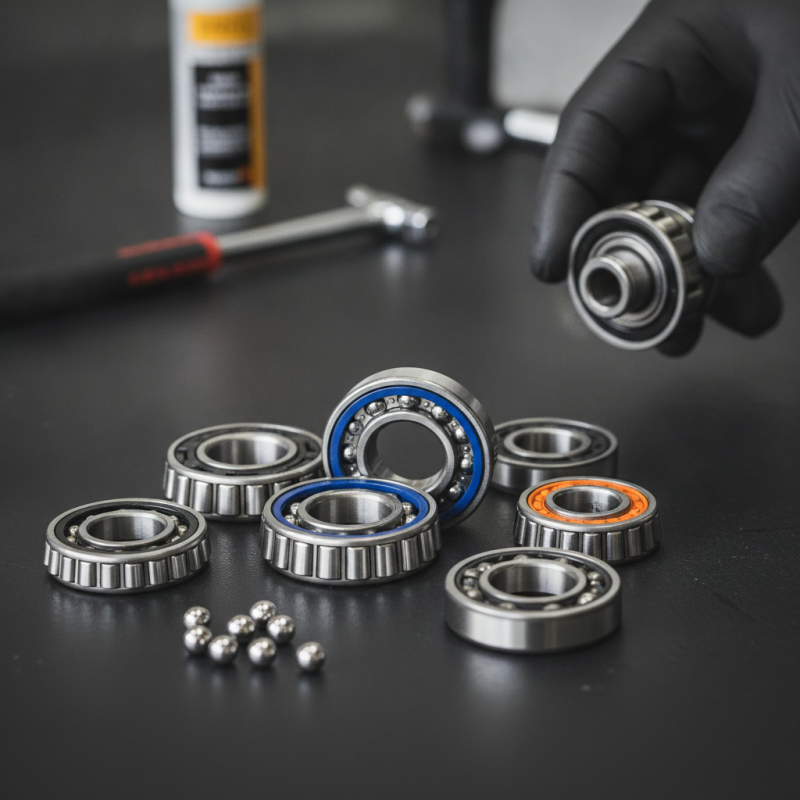
When it comes to cycle bearings, understanding their types and applications is essential for optimal performance. The most common types include ball bearings, roller bearings, and cartridge bearings. Each type serves a unique function and can greatly affect the cycling experience.
Ball bearings are versatile and provide smooth movement. Roller bearings can support heavier loads effectively. Cartridge bearings are sealed units that offer minimal maintenance.
Choosing the right type depends on the specific use. If you're racing, lightweight and efficient ball bearings are ideal. For mountain biking, durable roller bearings can withstand tougher terrains. It's vital to consider usage. Using the wrong type can lead to mechanical failure and frame damage.
Tips: Regularly inspect your bike’s bearings. Look for any signs of wear or grit. If in doubt, consult a local bike expert. A well-maintained bike yields a better ride. Quality bearings can enhance durability and performance. Don't overlook the basics, as they can make or break your cycling experience.
Key Features to Consider in Cycle Bearings
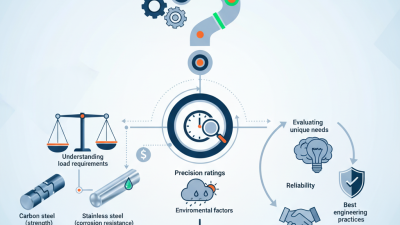
When selecting the best cycle bearings, understanding key features is essential. Bearings not only support the bike's moving parts but also influence performance and durability. According to a report by the Bicycle Manufacturers Association, the quality of bearings can significantly affect ride quality, accounting for up to 25% of rolling resistance.
Material selection is critical. High-quality steel or ceramic materials can enhance durability and minimize wear over time. A study by the International Cycling Union notes that ceramic bearings can improve efficiency by approximately 2-3% compared to standard steel. This difference is often subtle but can lead to noticeable performance over long rides.
Seals and lubrication also play vital roles. Effective seals keep out dirt and moisture, extending the lifespan of the bearings. Choosing a bearing with appropriate lubrication can further optimize friction reduction. However, many cyclists overlook the need for regular maintenance. Without it, even the best bearings can fail prematurely. This reflects the importance of not just initial selection but ongoing care to ensure smooth rides.
Top Brands Known for High-Quality Cycle Bearings
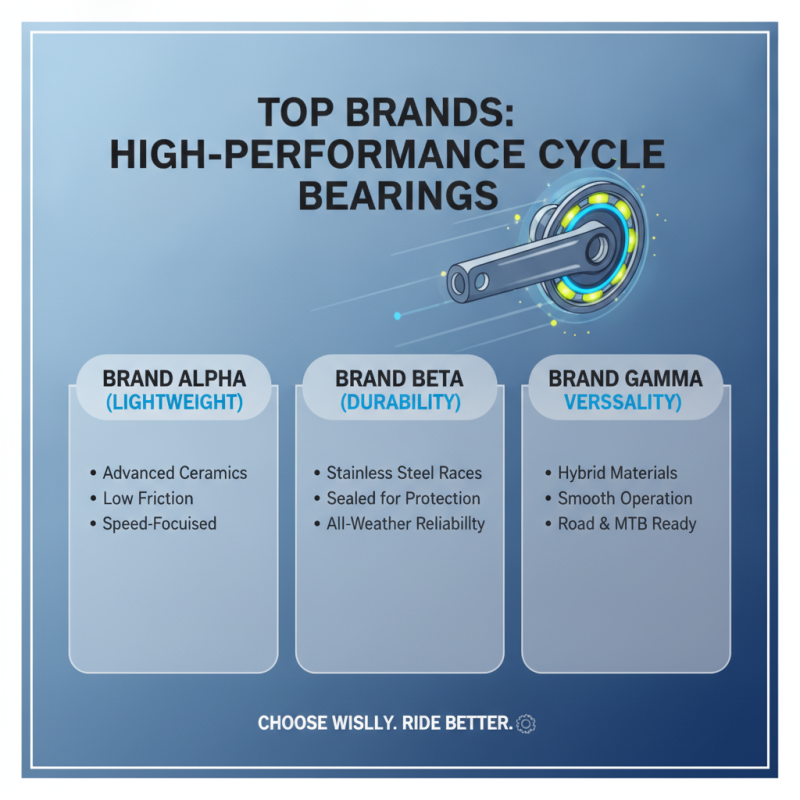
When it comes to cycle bearings, performance and durability are essential. Choosing the right brand can greatly impact your cycling experience. Top brands are known for their commitment to quality. They often use advanced materials and manufacturing techniques to ensure reliability. Some brands focus on lightweight designs, while others prioritize toughness. Understanding your needs will guide you in making the best choice.
Tips for selecting cycle bearings include examining the material and the type of sealing used. High-quality bearings often feature ceramic or stainless steel components for increased longevity. Regular maintenance is crucial; keep them clean and lubricated for optimal performance. The right bearings can reduce friction and improve your ride's efficiency. However, many cyclists overlook regular checks, which can lead to premature wear.
Don’t forget to consider feedback from fellow cyclists. Online reviews and forums can provide insights into performance over time. Often, brands receive praise or critiques based on real-world experience. Be mindful of price differences; sometimes, higher cost indicates superior craftsmanship. When in doubt, reach out to knowledgeable peers or specialists for advice. Your bike's efficiency depends on these small yet vital components.
Maintenance Tips for Prolonging Bearing Lifespan
When it comes to cycling, bearing maintenance is essential for ensuring long-lasting performance. These small components bear significant loads, and their smooth rotation affects your ride quality. Regular upkeep makes a noticeable difference.
To keep your bearings in top shape, begin with regular cleaning. Grit and grime can cause wear over time. Use a soft brush and mild soap to remove debris. After cleaning, ensure they are completely dry before re-greasing. Proper lubrication is vital. Too little grease can lead to friction, while too much can trap dirt.
Another key tip is to inspect them often. Look for signs of rust or roughness. Catching issues early can prevent costly replacements. Also, storing your bike in a dry place prevents moisture buildup. Consistency in maintenance will ultimately prolong the lifespan of your bearings, enhancing your cycling experience.
Best Cycle Bearings for Smooth Performance and Durability
Maintenance Tips for Prolonging Bearing Lifespan
| Bearing Type |
Material |
Size (mm) |
Weight (g) |
Lifespan (hours) |
Maintenance Tips |
| Ball Bearing |
Stainless Steel |
6001 |
30 |
1000 |
Regular lubrication & cleaning |
| Sealed Bearing |
Ceramic |
608 |
22 |
2000 |
Keep dry & avoid dust exposure |
| Custom Bearing |
Aluminum |
6902 |
50 |
1500 |
Periodic inspection & lubrication |
| Hybrid Bearing |
Steel and Ceramic |
6203 |
35 |
1800 |
Avoid moisture & check alignment |
| Cylindrical Bearing |
Chrome Steel |
6003 |
65 |
1700 |
Regular cleaning & avoid overload |
Comparative Analysis of Cycle Bearings Performance Ratings
Cycle bearings play a crucial role in performance and durability. An analysis of various bearing types shows that materials and design significantly impact outcomes. For instance, steel bearings often outperform plastic ones in durability but can be heavier. According to a study by Cycling Weekly, high-quality steel bearings can increase efficiency by up to 3% compared to lower-grade options.
Temperature and environmental conditions also influence performance ratings. Bearings used in wet or muddy conditions may degrade faster if not sealed properly. Data from BikeRadar indicates that sealed bearings can last up to 50% longer under harsh conditions. However, they often require more careful maintenance, which can be a challenge for casual cyclists. Identifying the right balance between durability and maintenance needs is essential.
Another area for consideration is the weight of bearings. Lighter bearings are increasingly popular among competitive cyclists. Yet, lighter materials may trade off some durability. A comprehensive review published in the Journal of Sports Engineering highlights that while lighter bearings improve speed, they may not last as long under repeated stress. Cyclists must weigh these factors based on their riding style, frequency, and conditions.
Best Cycle Bearings Performance Ratings