Top Deep Groove Roller Bearings Buyer Guide and Tips?
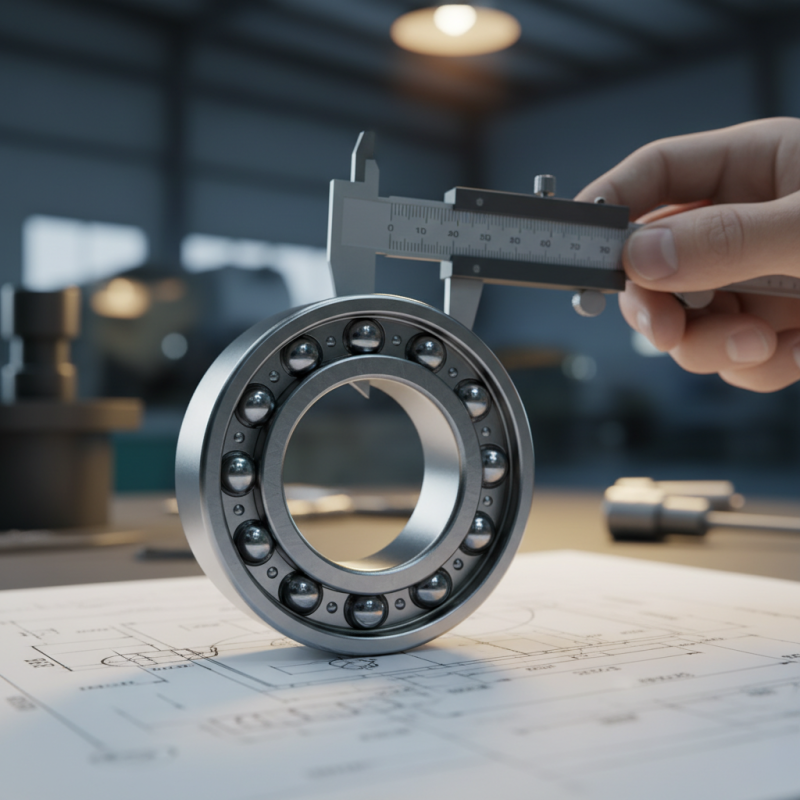
Deep Groove Roller Bearings are essential components in various mechanical systems. Their design allows them to handle both radial and axial loads efficiently. This versatility makes them popular in industries ranging from automotive to aerospace.
When buying Deep Groove Roller Bearings, it’s important to consider several factors. Quality should never be compromised. Look for reputable manufacturers known for precision and durability. Reliable sources often have a track record of performance and customer satisfaction.
However, choosing the right bearing can be challenging. Different applications demand different specifications. Question your options based on load capacity and speed ratings. DIY replacements can lead to mistakes, impacting performance. It’s good to reflect on whether professional advice may lead to better choices. Understanding your needs will pave the way for informed decisions.
Understanding Deep Groove Roller Bearings: An Overview
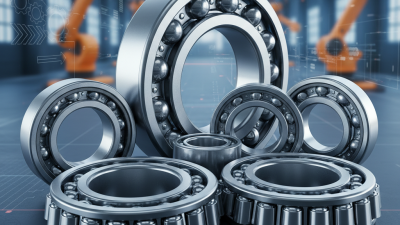
Deep groove roller bearings are essential components in numerous mechanical applications. They are designed to support radial and axial loads in both directions. Their versatility makes them commonly used in electric motors, automotive applications, and industrial machinery. According to the International Organization for Standardization (ISO), deep groove ball bearings account for up to 70% of all rolling bearings manufactured globally.
These bearings are known for their durable design and ability to operate under high speeds and harsh conditions. Their structure consists of a deep raceway that allows for a greater number of balls, which improves load distribution. However, they should not be subjected to extreme misalignment or contamination as this can lead to premature failure. The demand for high-quality deep groove roller bearings is increasing, pushing manufacturers to improve precision and reduce manufacturing defects.
Despite advancements, issues such as improper installation can still arise. It’s critical for users to ensure proper alignment and adequate lubrication. Studies show that nearly 30% of bearing failures are attributed to lubrication issues. This emphasizes the need for ongoing maintenance and inspections. In any industrial setting, understanding the performance and limitations of deep groove roller bearings is key to maximizing their lifespan and effectiveness.
Key Factors to Consider When Buying Deep Groove Roller Bearings
When buying deep groove roller bearings, several key factors must be considered. Quality and material significantly impact performance. Steel and ceramic are common materials. Steel bearings generally offer higher load capacities and durability. However, ceramic bearings can reduce weight and friction. It’s essential to evaluate which material suits your application needs.
Another crucial aspect is load ratings. A bearing's dynamic load rating indicates how much load it can handle while in motion. According to industry reports, deep groove ball bearings have varying dynamic load ratings based on size. Smaller bearings may be rated for 1,000 N, while larger units can exceed 100,000 N. Knowing the load requirements of your machinery is vital for reliability and longevity.
Compatibility with your equipment is equally important. Ensure the dimensions, such as inner diameter and outer diameter, match your specifications. Misalignment can lead to premature failure. Furthermore, consider the operational environment. Factors like temperature and exposure to contaminants can affect bearing life. Ensuring that seals and lubrication are appropriate for your environment is critical. These aspects, along with rigorous testing, contribute to the overall performance and reliability of deep groove roller bearings.
Top Deep Groove Roller Bearings Buyer Guide and Tips
Different Types of Deep Groove Roller Bearings Explained
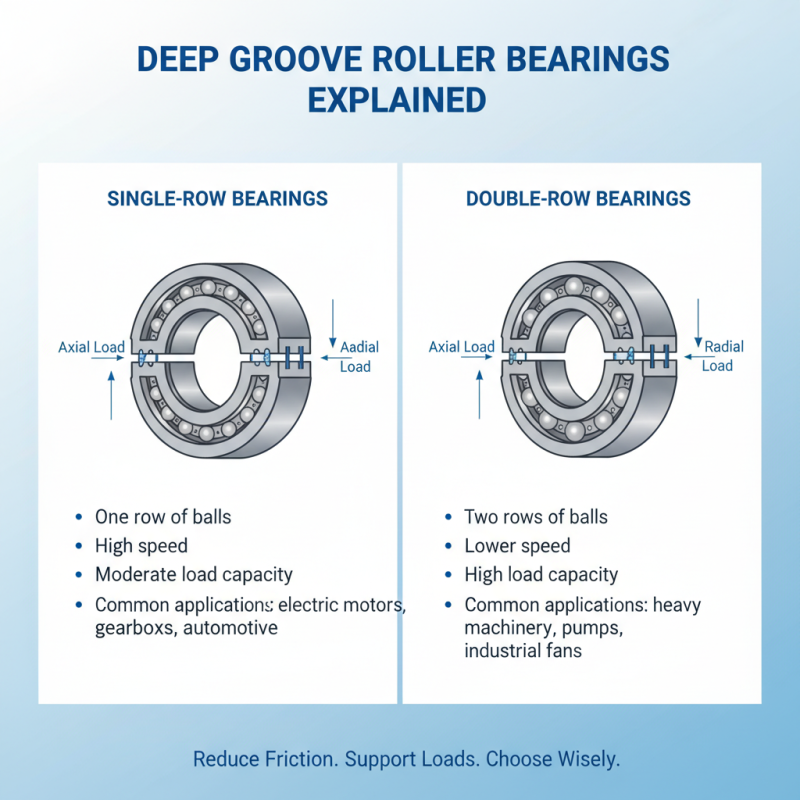
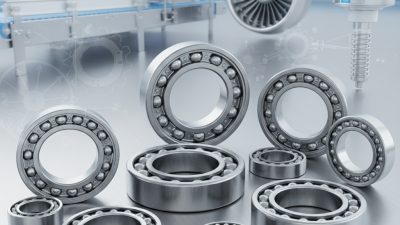
Deep groove roller bearings are fundamental components in various industrial applications. They play a crucial role in reducing friction and supporting axial and radial loads. Understanding the different types can help in selecting the right bearing for your needs. Typically, they are categorized into two main types: single-row and double-row bearings.
Single-row deep groove bearings are commonly used due to their versatility. They can handle both axial and radial loads efficiently. According to a 2021 report by the Global Bearing Industry, the demand for single-row deep groove bearings is projected to increase by 5% annually, driven by innovations in machinery design. On the other hand, double-row bearings are used in high-load applications. This type offers increased load capacity and stability.
Materials used in these bearings also vary. Common materials include steel and ceramic, each offering distinct advantages. Steel bearings are robust and cost-effective. Ceramic bearings, while more expensive, provide exceptional resistance to corrosion and wear. Recent studies indicate that ceramic deep groove bearings can last up to four times longer than their steel counterparts under certain conditions. This longevity can lead to significant cost savings in maintenance and replacements, making them a valuable option in long-term planning.
Common Applications for Deep Groove Roller Bearings
Deep groove roller bearings are widely used across various industries. Their design allows them to accommodate both radial and axial loads. This versatility makes them suitable for applications in electric motors, automotive systems, and agricultural machinery. They are often found in high-speed environments, where reliability is crucial. The constant rotation creates heat, which can affect performance, so proper lubrication and cooling are essential.
In the manufacturing sector, these bearings are commonly used in conveyor systems. They help in smooth operation and efficient material handling. However, it's crucial to select the right size and type for specific applications to avoid failures. A mismatch can lead to increased wear or unexpected downtimes. In some cases, users might overlook maintenance schedules, leading to excess friction and overheating.
Deep groove roller bearings are also essential in household appliances. They provide stability in washing machines and refrigerators. Yet, choosing the wrong bearing can compromise efficiency. Users should always consider load ratings and size specifications. Understanding these elements is vital for optimal performance and longevity of the equipment.
Top Deep Groove Roller Bearings Buyer Guide and Tips
| Dimension (mm) |
Load Capacity (kg) |
Max RPM |
Material |
Common Applications |
| 20 x 42 x 12 |
95 |
25,000 |
Chrome Steel |
Electric Motors, Pumps |
| 30 x 62 x 16 |
250 |
20,000 |
Stainless Steel |
Automotive, Conveyor Systems |
| 40 x 80 x 18 |
500 |
15,000 |
Ceramic Coated |
Industrial Machinery, Robotics |
| 50 x 90 x 20 |
650 |
12,000 |
Polymer |
Mining Equipment, HVAC Systems |
Maintenance Tips for Prolonging the Life of Your Bearings
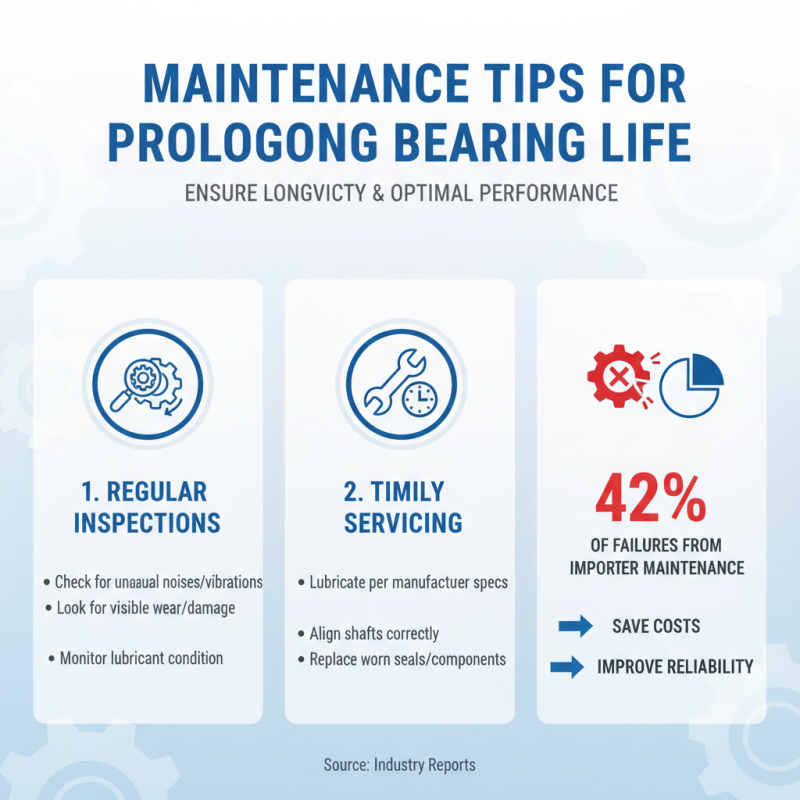
Bearing maintenance is crucial for ensuring longevity and optimal performance. Regular inspections and timely servicing can save significant costs in the long run. According to industry reports, about 42% of bearing failures result from improper maintenance practices. This statistic underscores the importance of a comprehensive maintenance strategy.
One effective maintenance tip is to regularly inspect for signs of damage or wear. Look for discoloration, rust, or unusual sounds. Conducting vibration analysis can help identify underlying issues. Also, proper lubrication is vital. Selecting the correct lubricant extends bearing life. Industry standards recommend changing lubricants every 6-12 months, depending on operating conditions.
Another key aspect is to maintain correct alignment and load conditions. Misalignment can decrease efficiency by up to 30%. Regularly check alignment using precision tools. Ensure that the load on the bearings does not exceed manufacturer recommendations. Overloading can lead to premature failure and costly repairs. Adhering to these maintenance strategies can significantly enhance performance and longevity, reducing the risk of unexpected breakdowns.