How to Choose the Right Precision Ball Bearings for Your Applications?
Choosing the right precision ball bearings is crucial for optimal performance in various applications. These bearings are integral to machinery, enabling smooth movement and reducing friction. The selection process is often overwhelming due to the numerous types and specifications available. Understanding the unique needs of your machinery is essential.
Precision ball bearings come in different sizes, materials, and designs, making the choice daunting. A thorough analysis of load capacity, speed, and environment can aid in narrowing down options. It’s also worth considering the precision level required for your specific application. Yet, even experienced engineers can face challenges in making the best choice.
Reliability is key when it comes to performance. The right bearings can extend machinery life, improving efficiency. However, a small oversight in selection can lead to significant issues. Take the time to evaluate your requirements and consult with experts. Ultimately, informed decisions will lead to better outcomes in mechanical operations.
Understanding the Basics of Precision Ball Bearings
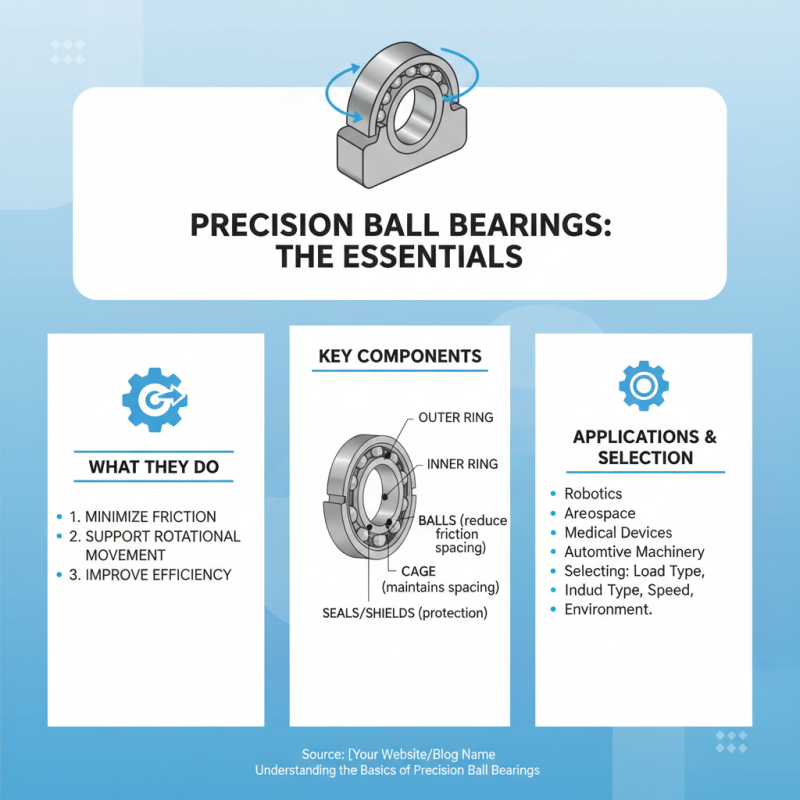
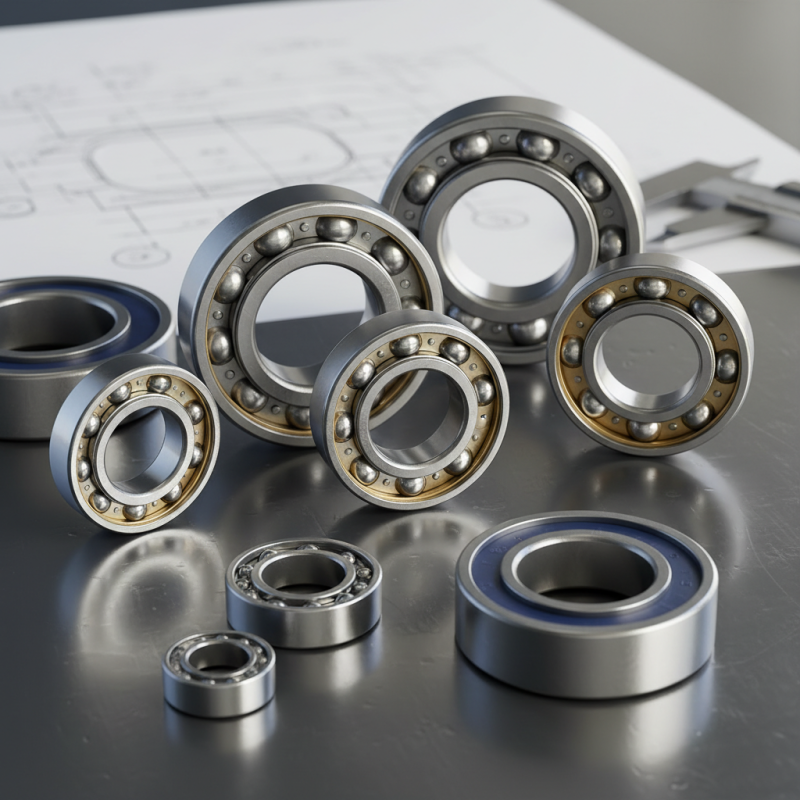
Precision ball bearings are essential components in many mechanical applications. They minimize friction and support rotational movement. Understanding their basics can help in selecting the right type for your needs.
These bearings come in various sizes and materials, each suited for different environments. For example, stainless steel bearings resist corrosion, while ceramic ones excel in high-speed applications. Consider the load and speed requirements for your specific use. Many users overlook these factors, leading to premature failure or inefficiency.
Installation and maintenance also play a crucial role in performance. Proper alignment and lubrication can extend the service life of the bearings. However, not all applications allow for easy maintenance, leading to potential issues. Reflecting on your operating conditions can guide better choices and avoid common pitfalls in bearing selection.
Factors to Consider When Selecting Precision Ball Bearings
Choosing the right precision ball bearings involves careful consideration of several key factors. One crucial aspect is load capacity. According to recent industry reports, proper load ratings ensure that the bearings can handle the expected load without premature failure. Overloading can lead to increased wear and heat generation, impacting performance. Understanding the application’s specific load requirements is essential.
Next, you should consider the operating environment. Precision ball bearings may face contamination, humidity, or extreme temperatures. Research indicates that over 40% of bearing failures occur due to environmental factors. Sealed or shielded bearings can offer better protection. However, they may introduce additional friction, which can alter performance metrics.
Another factor is the desired speed and rotational precision. The tolerance levels in manufacturing can significantly affect angular misalignment, leading to potential issues. Industry studies highlight that bearings with higher precision tolerances can improve operational efficiency by reducing friction. However, achieving such precision often requires a trade-off on cost. Experts recommend balancing precision with budget constraints to optimize application performance.
Different Types of Precision Ball Bearings and Their Applications
Precision ball bearings are vital in various industries, from automotive to aerospace. Understanding their types and applications is crucial for optimal performance. Deep groove ball bearings are among the most common. They can handle radial and axial loads well, making them suitable for electric motors and household appliances. According to industry reports, deep groove bearings represent over 70% of the global bearing market.
Another type is angular contact ball bearings. These are designed to support higher speeds and heavier loads. They are frequently used in high-speed applications, such as machine tool spindles. Their design allows for combined loads, which is why they are preferred in industries demanding precision and reliability. Research indicates that angular contact bearings have a market growth rate of about 5% annually, significantly driven by advancements in automation.
Thrust ball bearings differ from the previous types by handling axial loads exclusively. They are best for applications where supporting axial loads is essential, such as in automotive gearboxes. Despite their robust design, installation challenges can lead to performance issues. Companies need to assess conditions and usage patterns carefully. Often overlooked, the choice of lubricant in these applications can dramatically affect lifespan and efficiency.
How to Choose the Right Precision Ball Bearings for Your Applications?
| Type of Bearing |
Material |
Load Capacity (N) |
Speed Rating (RPM) |
Applications |
| Deep Groove Ball Bearing |
Steel |
2000 |
5000 |
Electric Motors, Robotics |
| Angular Contact Ball Bearing |
Ceramic |
1500 |
12000 |
High-Speed Machinery, Machine Tools |
| Self-Aligning Ball Bearing |
Stainless Steel |
2500 |
3000 |
Agricultural Equipment, Conveyors |
| Thrust Ball Bearing |
Steel |
1000 |
2000 |
Crane, Vertical Water Pumps |
| Precision Miniature Ball Bearing |
Stainless Steel |
500 |
15000 |
Medical Equipment, Watches |
Evaluating Load Capacity and Performance Criteria for Bearings
When selecting precision ball bearings, evaluating load capacity is paramount. Load capacity refers to the maximum weight or force the bearing can support during operation. According to a report by the International Journal of Engineering Research, incorrect load evaluation can lead to premature failure. Most precision bearings have distinct load ratings: radial, axial, and moment. Understanding these ratings helps in selecting the right bearing for specific applications.
Performance criteria should also be considered. Factors such as speed, temperature, and lubrication significantly influence bearing efficiency. For example, the American Bearing Manufacturers Association emphasizes that proper lubrication can enhance the bearing’s lifespan by up to 50%. Failure to adhere to temperature limits can compromise the integrity of the materials used.
Tips: Always calculate the operating conditions. Consider both static and dynamic loads. Monitor temperature changes during operation. These practices can prevent unexpected failures and optimize performance. A well-informed choice ultimately returns significant cost savings.
Performance Evaluation of Precision Ball Bearings
Tips for Maintenance and Longevity of Precision Ball Bearings
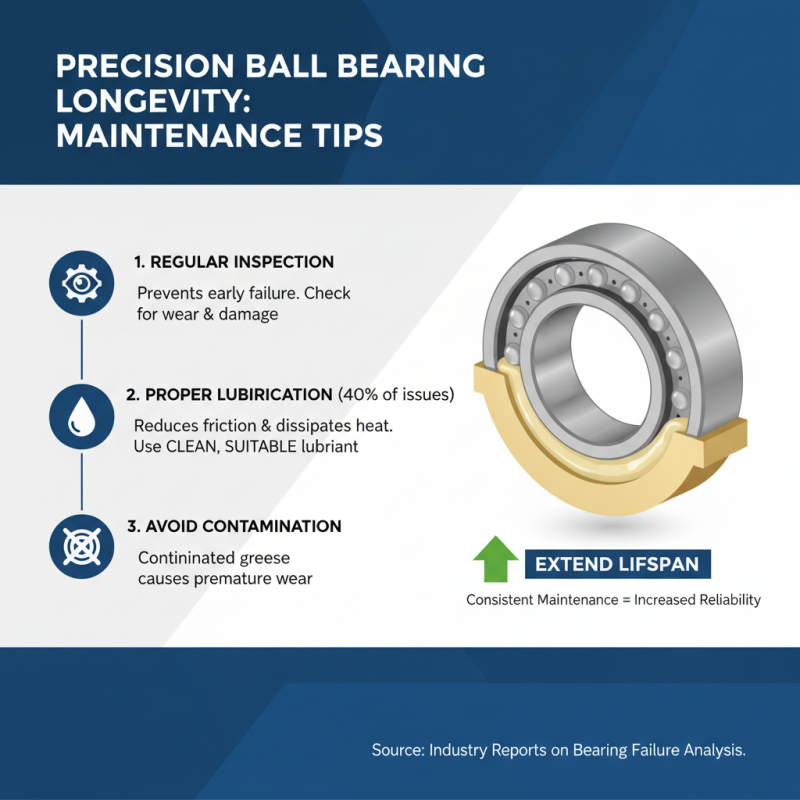
When it comes to the longevity of precision ball bearings, maintenance is crucial. Regular inspection can prevent early failure. According to industry reports, improper lubrication is one of the leading causes of bearing malfunction, accounting for nearly 40% of issues. Adequate lubrication not only reduces friction but also dissipates heat effectively. Ensuring lubricant is clean and suitable for your specific application is essential. Contaminated or incompatible grease can lead to premature wear.
Temperature control is another key factor. Operating at temperatures outside recommended ranges can degrade materials. Research indicates that every 10 °C increase in temperature reduces bearing life by half. Thus, maintaining optimal operating temperatures is vital. Installing cooling systems may be necessary for high-load applications.
Vibration analysis is useful for monitoring bearing health. Sudden changes can indicate problems. Regular vibration checks provide insights into performance. They can identify misalignment or imbalance issues early on. Ignoring these signs can lead to catastrophic failures. In the long run, investing in reliable monitoring practices and maintenance makes a significant difference.