How to Choose the Right Ball Bearing 6204 for Your Project?
Choosing the right ball bearing 6204 is crucial for project success. This versatile component is widely used in many applications, from household machines to industrial equipment. Understanding its specifications can significantly affect performance and durability.
In selecting a ball bearing 6204, consider the load, speed, and environmental conditions it will face. Factors like material and lubrication play a vital role in functionality. Not all projects require the same features, creating a challenge for decision-makers. It's essential to balance quality and cost-effectiveness. Often, people overlook the impact of inadequate bearings.
Reflecting on previous experiences can guide better choices. Have you encountered failures due to improper selection? Learning from those moments can lead to wiser choices in the future. When in doubt, consult experts or detailed resources to ensure your project achieves its goals.
Understanding Ball Bearings: An Overview of Types and Functions
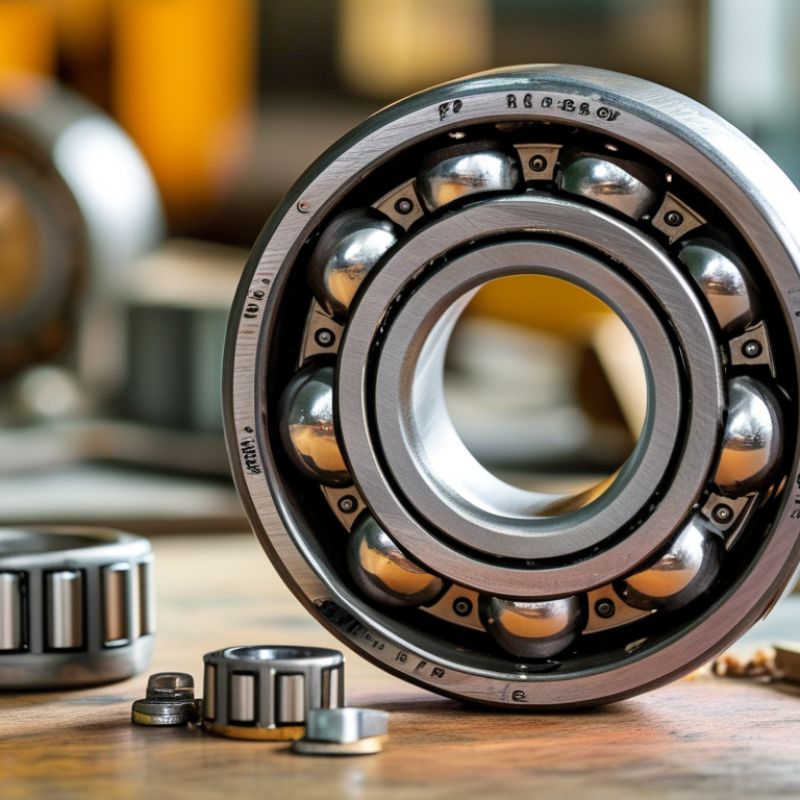
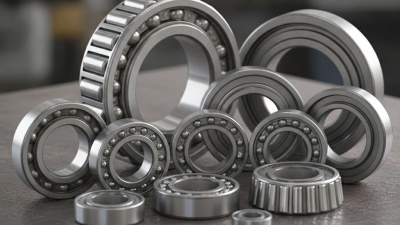
Ball bearings play a crucial role in various mechanical applications. They reduce friction, support loads, and enable smooth motion. Understanding different types of ball bearings is essential for project success. The 6204 model is a widely used option in both industrial and DIY projects, known for its versatility and reliability.
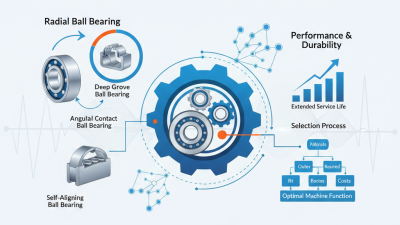
There are several types of ball bearings, including deep groove, angular contact, and thrust bearings. Deep groove bearings are suitable for high-speed applications and can accommodate radial and axial loads. According to industry reports, over 50% of all bearings used in machines are deep groove bearings. This makes them a popular choice. Angular contact bearings, however, are better for applications requiring high axial loads. Knowing the specific needs of your project can guide your choice.
Tips: Always consider the load capacity and speed ratings of the bearing. Ensure the lubrication method fits the environment. Regular inspection can prevent costly failures. Mistakes often arise from choosing the wrong type. Reflect on project requirements before making a decision. Proper research helps avoid common pitfalls and ensures optimal performance.
Key Specifications to Consider When Selecting a 6204 Ball Bearing
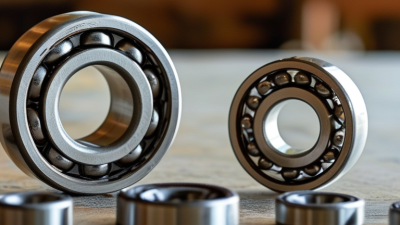
When selecting the right 6204 ball bearing for your project, understanding key specifications is crucial. One important specification is the bearing's inner diameter. The standard inner diameter for a 6204 bearing is 20 mm. Ensure your shaft matches this size for a snug fit.
Another vital aspect is the outer diameter, which measures 47 mm. This dimension affects how the bearing fits within your assembly. The bearing’s thickness, often 14 mm, also plays a role in overall stability. Don't overlook these specs. They directly impact performance.
**Tips:** Consider the load ratings. Overloading can lead to premature failure. Always check the dynamic and static load limits. Also, be mindful of speed ratings. Each application has unique demands. A mismatch may result in overheating.
Lastly, material quality matters. Most 6204 bearings are made from high-carbon steel. However, stainless variants are available for corrosion resistance. Evaluate your project’s environment carefully. Not every option may be ideal for your specific needs.
How to Choose the Right Ball Bearing 6204 for Your Project? - Key Specifications to Consider When Selecting a 6204 Ball Bearing
| Specification |
Value |
| Inner Diameter (mm) |
20 |
| Outer Diameter (mm) |
47 |
| Width (mm) |
14 |
| Load Rating (Dynamic) (N) |
6,000 |
| Load Rating (Static) (N) |
3,500 |
| Maximum RPM |
14,000 |
| Material |
Steel |
| Sealing Type |
Rubber Sealed |
| Operating Temperature Range (°C) |
-30 to +120 |
Assessing Load Capacity and Operational Conditions for Your Project
Choosing the right ball bearing, such as the 6204, requires careful consideration of load capacity and operational conditions. Load capacity is vital in determining how much weight a bearing can handle efficiently. According to industry reports, the static load rating for a 6204 ball bearing is approximately 24.5 kN. This rating can vary depending on the specific application. For example, in high-speed machinery, loads should be reduced to avoid early failure.
Operational conditions also significantly impact bearing performance. Factors like temperature, speed, and environmental exposure play critical roles. Bearings subjected to high temperatures may experience reduced lifespan and performance. Research indicates that operating temperatures above 120°C can decrease bearing life by 50%.
It's worth noting that many users overlook the importance of proper lubrication and alignment. Inadequate lubrication can lead to increased friction and premature wear. Regular monitoring of these factors is essential for longevity. Each project presents unique requirements. Ensuring that you evaluate these conditions thoroughly will optimize the chosen bearing for your specific needs.
Evaluating Material and Design Choices for Durability and Performance
When selecting a ball bearing such as the 6204, material choice is crucial. Common options include stainless steel, carbon steel, and ceramic. Each material has unique characteristics. Stainless steel offers high corrosion resistance. Carbon steel is durable but may rust. Ceramic ball bearings excel in high-temperature applications.
Design considerations also impact performance. The internal design, such as the number of balls, can influence load capacity and speed. A study found that optimized geometry can enhance the lifespan of bearings by up to 30%. Deep groove designs often allow for higher speeds, but they may lack load capacity compared to other designs.
Durability is also tied to lubrication options. The right lubricant can reduce friction and wear. However, some users overlook this aspect, leading to premature failure. A failure analysis report indicated that improper lubrication contributed to 60% of bearing failures. This highlights the importance of considering both material and design in your choice of a 6204 ball bearing.
Ball Bearing 6204 Performance Evaluation
Comparing Costs and Suppliers for Optimal Value and Availability
When selecting the right 6204 ball bearing for your project, understanding cost and supplier options is essential. Research indicates that ball bearings can vary significantly in price, influenced by material quality, size, and brand. According to a recent report by the American Bearing Manufacturers Association, the price range for ball bearings can differ by over 50% depending on the supplier and sourcing approach.
To find optimal value, consider reaching out to multiple suppliers. Compare their pricing structures and availability. Ensure you check lead times, as some suppliers may have longer delivery schedules. This could impact your project's timeline. Utilizing suppliers with a solid reputation for reliability is crucial. It's not uncommon to find cases where lower-priced options fail to meet performance standards, leading to costly replacements or project delays.
Tip: Always request samples from suppliers before making a bulk purchase. This allows you to evaluate the bearing's quality firsthand.
Another point to consider is material options such as stainless steel versus chrome steel. Stainless steel bearings offer corrosion resistance but are often pricier. On the other hand, chrome steel options are typically more affordable but may not perform well in harsh environments. Understanding your project’s specific needs can guide you toward the right choice.
Tip: Keep an eye on industry trends and cost fluctuations. This knowledge can help you make informed decisions. Remember, a well-informed choice ensures durability and functionality in your applications.