Top Advantages of Ball and Roller Bearings for Global Buyers?
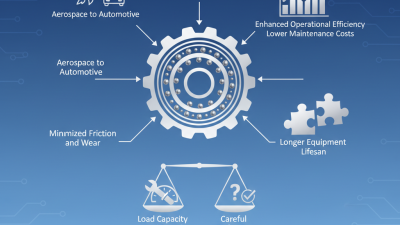
Ball and roller bearings are essential components in various industries. Their applications span automotive, aerospace, and machinery sectors. According to a recent report by Research and Markets, the global bearing market is projected to exceed USD 80 billion by 2026, with ball and roller bearings driving a significant portion of this growth. These bearings offer reduced friction and increased efficiency, making them ideal for high-performance machines.
The advantages of ball and roller bearings are numerous. They can handle both radial and axial loads, enhancing equipment reliability. For manufacturers, the cost-effectiveness of these bearings is notable. In fact, a study by MarketsandMarkets highlights that they can decrease operational costs by up to 30% in various applications. Despite their advantages, buyers must choose wisely. Counterfeit bearings remain a challenge, posing risks to performance and safety.
Understanding the benefits and potential pitfalls of ball and roller bearings is crucial for global buyers. The right bearings contribute to smoother operations and longer equipment lifespans. Investing in quality is essential, ensuring that systems remain efficient. As companies seek competitive edges, selecting the appropriate bearings will play a key role in their success.
Key Features of Ball and Roller Bearings You Should Know
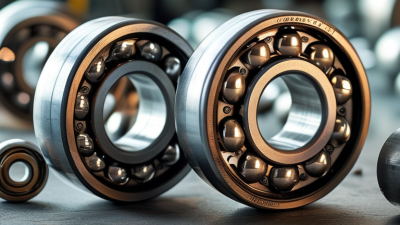
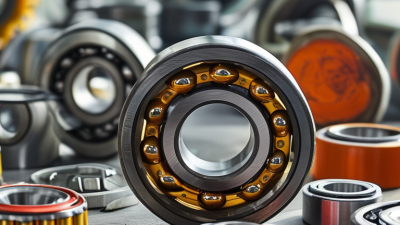
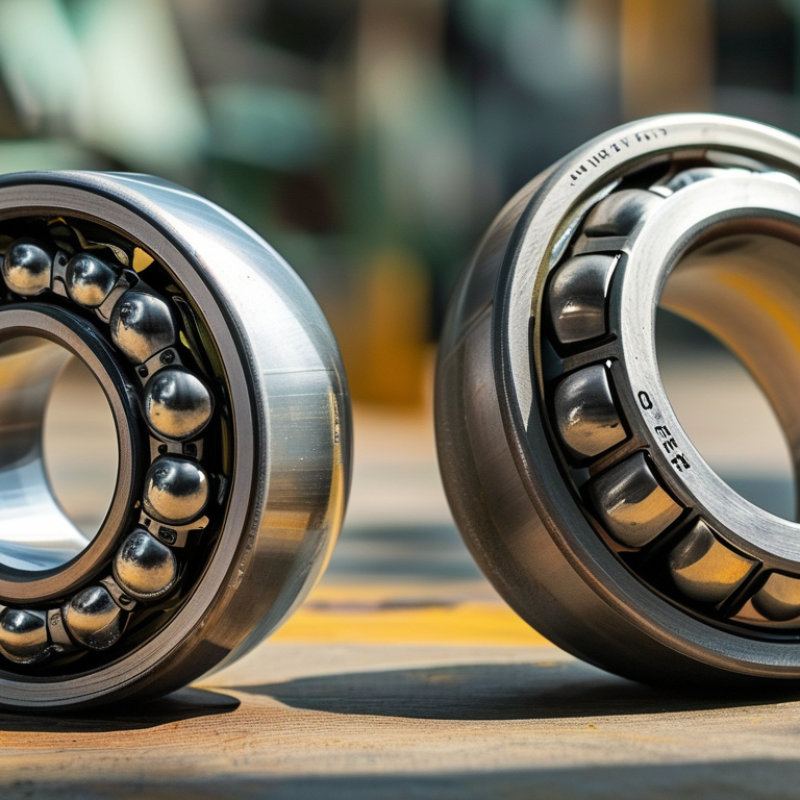
Ball and roller bearings are essential components in various machinery. They reduce friction and facilitate smooth movement. These bearings come in different types, each designed for specific applications. Understanding their key features can help buyers make informed decisions.
One important feature is their load capacity. Ball bearings are great for light loads, while roller bearings handle heavier loads better. The type of bearing you choose should match your load requirements. Consider the environment too. Some bearings offer better resistance to corrosion and heat. This durability extends their lifespan, making them a cost-effective choice.
Another aspect to consider is the ease of installation. Many modern bearings come with pre-lubricated seals for quick setup. However, improper installation can lead to early failure. Always follow manufacturer guidelines. Additionally, regular maintenance is crucial for longevity. Ignoring maintenance can result in unexpected breakdowns. Hence, understanding both the benefits and limits of bearings is essential for optimal performance.
Comparison of Ball Bearings vs. Roller Bearings: A Buyer’s Guide
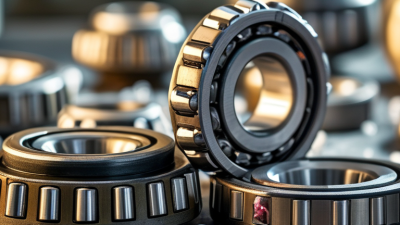
When choosing between ball bearings and roller bearings, buyers must weigh various factors. Ball bearings excel in high-speed applications. They typically feature smaller contact areas. This leads to lower friction. In contrast, roller bearings can handle heavier loads. Their larger surface area provides more stability under stress.
The selection process can be complex. It often depends on specific needs. Some installations may require extreme precision. Others may prioritize durability in harsh environments. Markets demand reliable solutions. Not every bearing type fits every situation. Drawing from extensive industry knowledge can aid in making the right choice.
Buyers should consider maintenance requirements too. Ball bearings often need less lubrication than roller bearings. However, debris can lead to performance issues. Proper cleaning practices can extend longevity. Evaluating these aspects helps ensure optimal performance. Engaging with experts can clarify lingering doubts. In the end, making an informed decision is crucial.
Comparison of Ball Bearings vs. Roller Bearings
Applications of Ball and Roller Bearings in Various Industries
Ball and roller bearings play a crucial role across various industries, showcasing their versatility and effectiveness. They reduce friction, enhance performance, and facilitate smooth motion in machinery. According to a recent market analysis, the global bearing market is projected to reach $92 billion by 2025, indicating a strong demand across sectors.
In automotive applications, bearings are essential for engine efficiency and durability. They enable smooth operation in various components such as wheels and transmissions. Studies show that high-quality bearings can improve fuel efficiency by up to 3%. In aerospace, these components ensure the reliability of aircraft systems under extreme conditions, with bearings often rated for thousands of flight hours.
For better maintenance, ensure proper installation and regular inspections. Excessive lubrication can attract dirt, compromising functionality. Look for innovative designs that enhance load capacity and longevity. It’s vital to consider the environmental conditions where the bearings will operate. Temperature and humidity significantly affect their performance, making thoughtful choices essential for optimal outcomes.
Cost-Effectiveness of Ball and Roller Bearings for Global Buyers
Ball and roller bearings provide significant cost-effectiveness for global buyers. According to a report by Research and Markets, the worldwide bearing market is projected to reach $126.6 billion by 2026. This growth signals a rising demand, yet it’s crucial to consider how ball and roller bearings can contribute to cost savings.
Employing these components reduces friction in machinery, leading to lower energy consumption. Fewer parts also mean simplified assembly and potentially reduced labor costs. A study published by the International Journal of Engineering Design highlighted that efficient bearings can enhance overall machine life by up to 30%. However, the initial investment in high-quality bearings may deter some buyers. It’s essential to weigh long-term savings against upfront costs.
Another factor is maintenance. While ball and roller bearings are generally reliable, they may require regular checks to prevent failures. Neglecting maintenance can lead to costly downtime. Therefore, buyers should ensure they have a solid maintenance plan in place. It's advisable to invest in reliable data sources and analytics to inform purchasing and maintenance strategies.
Maintenance Tips for Prolonging Bearing Lifespan and Performance
Ball and roller bearings are essential components in various machinery and applications. To maximize their lifespan and performance, proper maintenance is crucial. Regular inspection can prevent significant failures. Check for signs of wear and listen for unusual noises.
Lubrication plays a vital role. Use the right type of lubricant for your bearings. Too little lubrication can lead to overheating. Too much can attract dirt and contaminants. It's a balancing act that requires careful attention. Over time, grease or oil can break down, so schedule consistent reapplication.
Environmental factors also influence bearing longevity. Exposure to dust, moisture, or extreme temperatures can compromise performance. Ensure the bearings are fitted with protective seals. Implementing these simple maintenance tips can significantly enhance the reliability of your bearings. Establishing a routine maintenance schedule is essential for avoiding unexpected downtime and ensuring optimal function.
Top Advantages of Ball and Roller Bearings for Global Buyers
| Advantage |
Description |
Maintenance Tip |
| Reduced Friction |
Ball and roller bearings minimize friction between moving parts, leading to better efficiency. |
Regularly lubricate bearings to maintain low friction and optimal performance. |
| Load Handling |
They can handle both radial and axial loads, making them versatile for various applications. |
Ensure proper alignment during installation to enhance load distribution. |
| Reduced Wear and Tear |
Their design minimizes wear, leading to a longer lifespan. |
Monitor for signs of wear and replace bearings promptly to prevent damage. |
| Noise Reduction |
High-quality bearings operate quietly, contributing to a better working environment. |
Use vibration analysis to detect abnormal noise that may indicate maintenance needs. |
| Energy Efficiency |
They help reduce energy consumption, lowering operational costs. |
Regularly check and optimize lubrication to maintain energy efficiency. |